
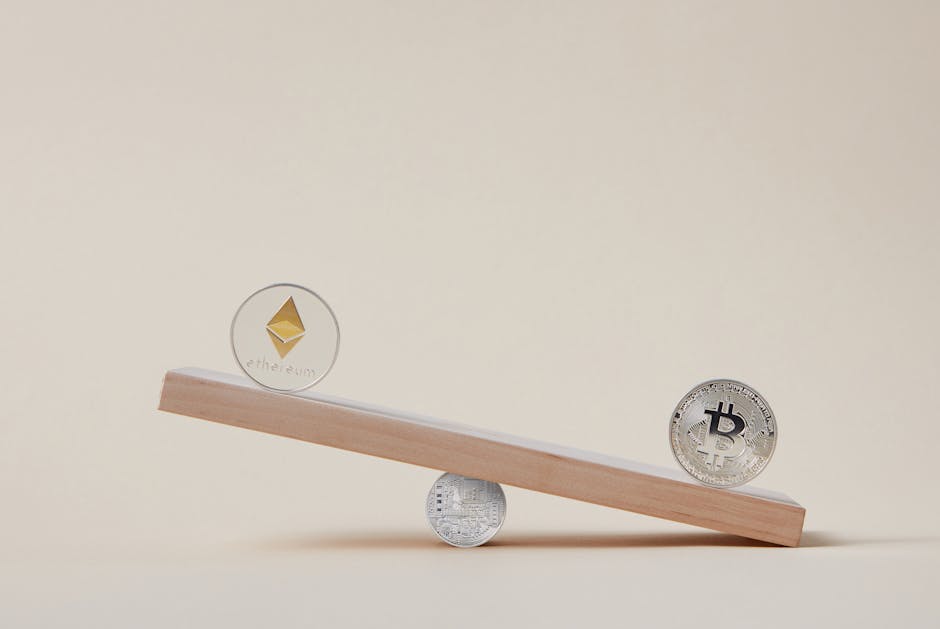
Bitcoin’s price is currently holding steady at around $27,000, a surprising feat given the tumultuous geopolitical landscape. While many assets wobble under pressure, the world of cryptocurrency seems to be consolidating its gains. For anyone invested or considering investing, this resilience is a data point worth acknowledging.
Charles Schwab is set to shake things up in the crypto trading arena, announcing plans to launch spot trading for Bitcoin and Ethereum in the first half of 2026. This could mean more mainstream access to digital currencies for retail investors, as Schwab has a robust customer base. If these trades help democratize crypto investments, that could translate into more liquidity and potentially drive prices higher.
In significant funding news, Pharos Network just raised $44 million in a Series A round, bringing its total funding to $52 million. The venture aims to enhance the on-chain economy, focusing on decentralized finance (DeFi) technologies. This influx of capital indicates a strong belief in the future of blockchain applications, which could have implications for everyday users who may see more innovative financial products emerge.
However, not all news is rosy in the crypto realm. The collapse of a $1.6 billion SPAC deal involving the Ether Machine highlights the volatility and risks associated with crypto investments. The failure underscores how quickly fortunes can change in this sector, reminding us that while potential for high returns exists, so does the exposure to significant losses. For everyday investors, it’s crucial to stay informed and cautious.
Despite geopolitical turmoil and economic uncertainties, Bitcoin seems to be defying expectations. While much of the world struggles with inflation—recent data showed a 0.9% increase in headline inflation driven by rising energy costs—Bitcoin’s stability provides a contrast. For those worried about inflation, Bitcoin could still serve as a hedge, even if it doesn’t yet have the institutional backing to fully fit that role.
As more entities seek to clarify regulations surrounding cryptocurrencies, we should pay attention to developments like Japan’s recent move to classify cryptocurrencies as financial products. This regulatory framework can provide legitimacy and safety for investors, potentially increasing market participation. If adopted widely, this could pave the way for an influx of institutional capital.
On another front, Binance is proactively addressing workforce challenges due to regional instability in the Middle East by offering relocation options to its UAE employees. This move aims to maintain operational continuity amid the chaos. For investors, the resilience of platforms like Binance can assure them of a stable trading environment, even when external factors threaten to disrupt.
Meanwhile, the speculation around Bitcoin is palpable. Traders are keenly awaiting movements in its price which may arise from a narrowing volatility trend. The potential for a sizable price shift should be on everyone’s radar. If you’re already invested, staying attuned to these fluctuations will help you make informed decisions.
It’s also worth noting the friction in the crypto community, illustrated by the public spat between the founders of major exchanges regarding past allegations. Such disputes could shake investor confidence, especially if they escalate further. For anyone considering investments in cryptocurrencies, assessing the credibility of platforms and their leadership is essential.
Ultimately, as Schwab prepares to enter the crypto space and funding rounds like Pharos Network’s signal increasing institutional interest, regular investors should approach the landscape with caution and curiosity. The potential for innovation is immense, but the risks remain palpable. We are likely to see either a surge in mainstream adoption driven by established financial players or a backlash that sets back the momentum built over the last few years.
In light of the latest developments, will Bitcoin manage to break new ground, or are we on the brink of a market correction? What are your thoughts on these trends?
💬 Join the Conversation