
Shocking political upheaval is unfolding across the globe, with Nepal’s former Prime Minister KP Sharma Oli at the center of a deadly crackdown scandal. In California, the campaign trail is heating up as gubernatorial candidate Eric Swalwell faces serious sexual assault allegations. Meanwhile, in a move that could reshape U.S.-Iran relations, Vice President JD Vance met with Pakistan’s Prime Minister Shehbaz Sharif to discuss regional tensions.
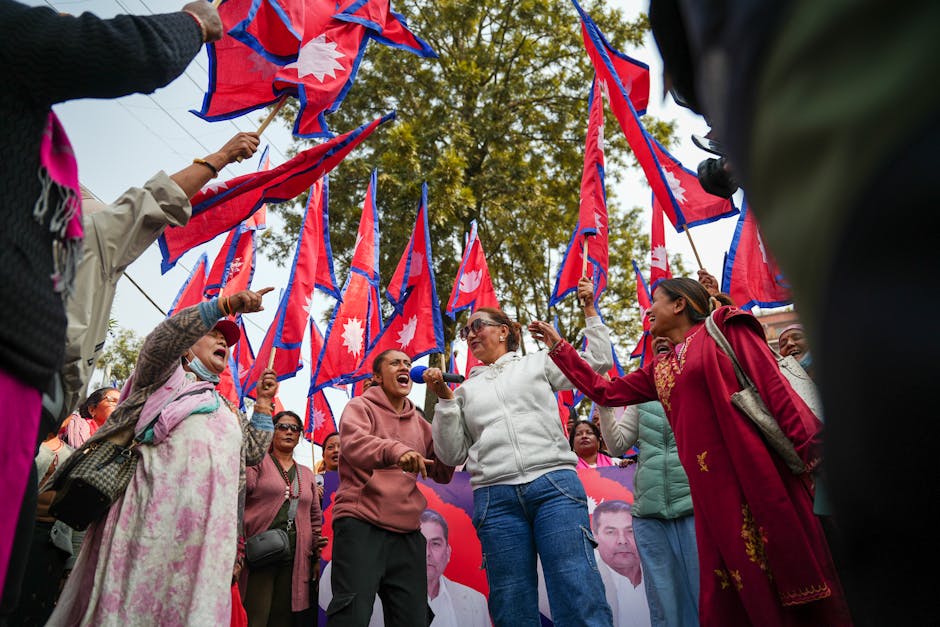
On March 28, 2026, KP Sharma Oli was arrested in Kathmandu amid allegations of his involvement in a violent crackdown on protesters in September 2025. Eyewitness accounts reported harrowing scenes, with demonstrators fighting for their rights met with excessive police force. As a result, at least fifteen lives were lost in the protests. This arrest raises critical questions about accountability in a country still grappling with the aftermath of its recent political turbulence.
What does this mean for Nepal? The arrest of a former prime minister signals a significant shift in the political landscape. Citizens are demanding answers and transparency from their leaders, and the implications of this event could ripple through the region. The world is watching to see how Nepal navigates this crisis, particularly given its precarious position between larger powers like China and India.
Turning to the U.S., California’s political scene is equally turbulent. Representative Eric Swalwell, who is vying to become the state’s next governor, has found himself embroiled in controversy after being accused of sexual assault. The allegations have sparked a firestorm of debate within political circles, with supporters rallying to his defense while detractors demand his exit from the race. This unfolding narrative has implications not just for Swalwell’s campaign but for the broader Democratic Party as it prepares for the 2026 elections.
Swalwell’s situation highlights the precarious balance politicians must maintain between public service and personal conduct. As voters increasingly demand integrity and transparency, how candidates respond to such allegations will undoubtedly shape their political fates. If Swalwell can navigate this storm, it might strengthen his resolve and appeal; if he cannot, it could serve as a cautionary tale for future candidates.
Across the ocean, Vice President JD Vance is positioning the U.S. at the forefront of international diplomacy in talks with Pakistan’s Prime Minister Shehbaz Sharif regarding Iran. The meeting comes amid rising tensions in the Middle East and ongoing concerns over Iran’s nuclear ambitions. Analysts suggest that this diplomatic engagement could be critical in stabilizing the region.
The U.S. has long been an influential player in Middle Eastern affairs, but with shifting geopolitical alliances, the outcome of these talks could have far-reaching consequences. If Vance succeeds in establishing a cooperative framework with Iran through Pakistan, it could pave the way for a new era of diplomacy. Failure, however, could further isolate the U.S. in international relations, complicating efforts to manage regional threats.
But what does all of this mean for you? These stories illustrate the interconnectedness of global events — a political scandal in Nepal can affect regional stability, while California’s political landscape influences national dynamics. As citizens, we must remain informed and engaged as our leaders navigate these complex issues.
As we watch these developments unfold, a key question remains: Will KP Sharma Oli and Eric Swalwell face the repercussions of their actions, or will they find ways to redeem their political careers? The coming weeks will reveal whether accountability prevails or whether these leaders skirt responsibility.
In a world where political integrity is constantly being tested, will these leaders rise to the occasion, or will their downfalls serve as a lesson for future politicians? Let us know your thoughts.
💬 Join the Conversation