
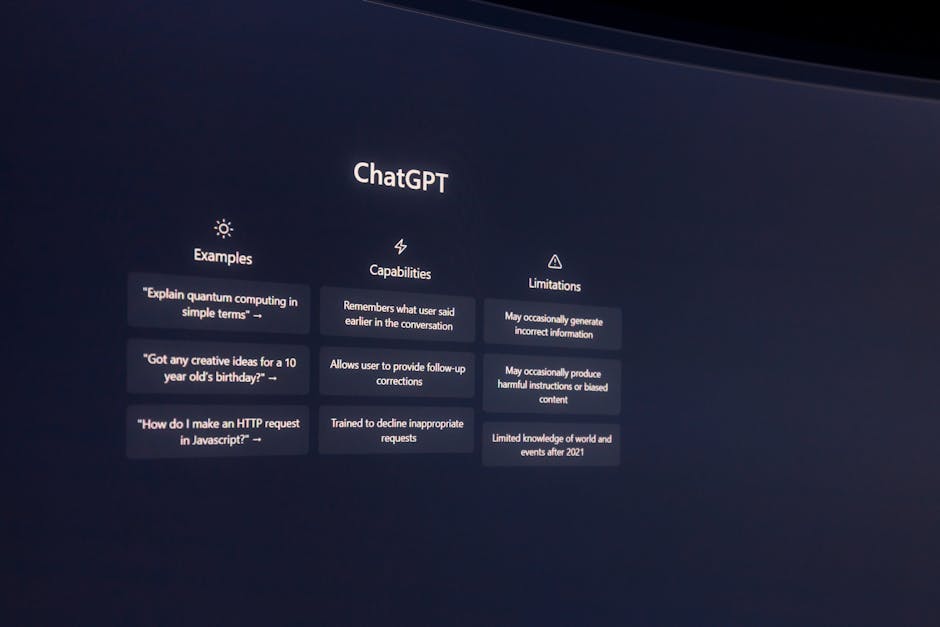
OpenAI is poised for a significant shift in 2026, and the stakes have never been higher. With competitors like Google tightening their grip on the enterprise AI market, OpenAI is scrambling to reclaim lost ground. It may sound dramatic, but this is a crucial year for the company, as it aims to convert its research prowess into real revenue.
The numbers don’t lie. OpenAI’s market share in enterprise usage plummeted from 50% in 2023 to a meager 27% by the end of 2025. That’s a serious red flag. Sam Altman, OpenAI’s CEO, has openly acknowledged the threat posed by Google’s Gemini, which has managed to maintain steady growth, leaving OpenAI in a precarious position. You can bet that the folks at OpenAI are feeling the pressure.
To tackle these challenges head-on, OpenAI is making strategic leadership changes. Former COO Brad Lightcap has been reassigned to focus on “special projects,” while Barret Zoph has returned to spearhead the company’s push into selling AI solutions to enterprises. This isn’t just a shuffle; it’s a calculated move to get back into the ring and fight for those lucrative enterprise dollars. In a world where AI technologies can make or break a business, this urgency is palpable.
But OpenAI is not just about chasing profits. The company has unveiled Prism, an AI tool designed specifically for scientists. This could be a game-changer for research communities, offering cutting-edge capabilities to handle complex datasets and analyses more efficiently. However, the effectiveness of such tools will ultimately hinge on user adoption and integration into existing workflows. Scientists may be excited now, but will they remain engaged long-term? User reactions will be critical in gauging Prism’s real impact.
A more concerning aspect of OpenAI’s strategy is its release of a safety blueprint aimed at combating child exploitation. While this initiative seems noble on the surface, it raises questions about how effectively the company can balance ethical considerations with business objectives. OpenAI was originally founded as a nonprofit with the lofty goal of ensuring AI benefits all of humanity. Critics argue that the transition to a for-profit model may undermine this mission, especially as the company eyes financial returns for shareholders. It’s a delicate tightrope walk between ethics and enterprise.
OpenAI’s bid to expand its enterprise offerings in 2026 also comes at a time of intensifying public scrutiny surrounding AI’s role in society. Recent discourse has shifted focus toward the societal implications of AI technologies, particularly regarding job displacement and wealth concentration. Many voices are calling for a new framework of industrial policy to ensure that the benefits of AI are equitably distributed. OpenAI’s proposals for public wealth funds and robot taxes may sound innovative, but will they resonate with the average worker concerned about job security?
While OpenAI grapples with these existential questions, the broader tech landscape doesn’t stand still. Competitors like Microsoft are flexing their muscles with new foundational models aimed at capturing enterprise market share. This isn’t just a race for technological supremacy; it’s a battle for the very soul of AI. If OpenAI wants to stay relevant, it must adapt quickly and decisively.
There’s no denying that 2026 is shaping up to be a critical year for OpenAI. The company is gearing up for what could either be a triumphant resurgence or a disastrous misstep. It’s a high-stakes scenario that demands not only innovation but also a deep understanding of user needs and ethical implications. What happens next will likely shape how we view AI in business for years to come.
So, will OpenAI rise to the occasion and reclaim its status as a leader in enterprise AI, or will it continue to lag behind? One thing is for sure: the eyes of the tech world are on them, and the pressure is mounting. Is 2026 the year that OpenAI finally aligns its business acumen with its mission for social good, or will it become just another corporate player in the tech game? What do you think?
💬 Join the Conversation