
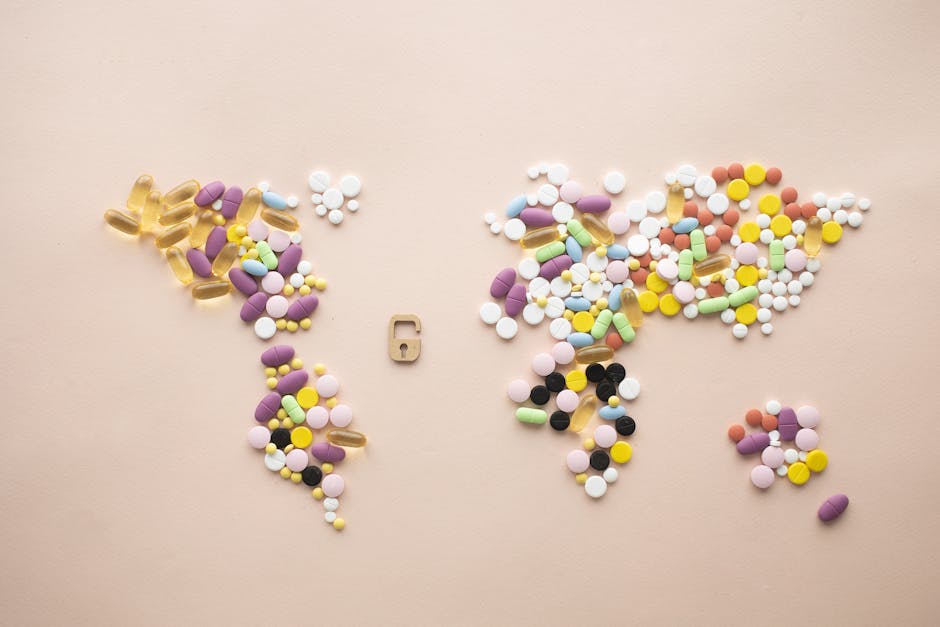
Did you know that more than 90% of the global population breathes air that exceeds WHO pollution guidelines? It’s a staggering fact that serves as a backdrop to some incredible health advancements we’ve seen recently. From breakthroughs in tuberculosis (TB) treatments to innovative solutions for maternal care, the strides we’ve made in global health are remarkable.
One of the standout developments in 2025 is the introduction of new TB treatments, particularly a drug called sorfequiline. This drug has the potential to shorten treatment times for complicated TB cases, reducing the duration from over 18 months to just six. Dr. Mel Spigelman from the TB Alliance believes this advancement not only represents progress in TB treatment but could also lead us closer to the dream of eradicating this disease. However, don’t let the optimism fool you; the road ahead remains steep, with countless challenges still needing to be addressed.
Health has also taken center stage in a less obvious yet equally impactful arena: our diets. A study published in September suggested that adopting a healthy diet could help mitigate the effects of air pollution on lung function. It turns out that women who consumed four or more servings of fruit daily experienced less decline in lung function associated with pollution than those who ate less. Think about that for a moment: what you eat can genuinely play a role in countering the damage from the air you breathe. Antioxidants and anti-inflammatory compounds in fruits seem to be the heroes here, fighting back against oxidative stress.
Then there’s the role of artificial intelligence (AI) in healthcare, which took a significant leap forward in 2026. AI technologies are beginning to revolutionize how we approach medicine, from diagnostics to personalized treatment plans. Imagine a world where algorithms help identify the best treatment options tailored specifically to you. It’s an exciting time, and I genuinely believe we are just at the tip of the iceberg.
Talking about innovations, let’s not forget the strides being made in prosthetics, especially in Africa. John and Ubokobong Amanam are two brothers in Nigeria creating custom prosthetic limbs designed specifically for the unique challenges faced by local populations. This is a game changer—not just for aesthetics but also for functionality, as many available options don’t consider the local environment. This kind of ingenuity is what the future of healthcare should look like: tailored, accessible, and effective.
On a broader scale, maternal health remains a critical issue globally, particularly in areas where healthcare access is limited. Recently, a maternal hospital opened in the world’s largest refugee camp, aiming to reduce maternal and infant mortality rates. This is a beacon of hope in regions torn apart by conflict and disaster. We often underestimate the complexities and barriers in maternal care, but initiatives like this show that there’s still a way forward. It’s a reminder that every life saved is a success, and we need more of those stories.
That said, the challenges are far from over. Humanitarian funding cuts by wealthy nations like the U.S. and the U.K. threaten the progress we’ve made. As resources become scarcer, it’s essential to push for global commitment to health initiatives. We can’t afford to lose momentum, especially when lives are at stake.
As we look ahead, I can’t help but feel optimistic about the future of healthcare. With ongoing research and innovation in areas like TB treatment, diet’s role in lung health, AI applications, and maternal care improvements, we’re witnessing a transformation that could save millions of lives worldwide. But it will take collective effort—governments, healthcare systems, and you—to ensure these advancements become realities rather than just goals.
So here’s a question for you: what advancements in healthcare do you think will make the most significant impact in the coming years? Will we see universal access to innovative treatments, or will funding issues continue to hinder progress? Let’s discuss!
💬 Join the Conversation