What if your next best friend could be a robot? As we approach 2026, the notion of AI pets and emotionally connected smart devices isn’t just a whimsical fantasy; it’s becoming a reality. The tech landscape is evolving rapidly, but amid the excitement, there are significant concerns about the implications of big tech’s pervasive influence in our lives.
You may recall that attempts to integrate AI into consumer gadgets have been hit or miss. The Rabbit R1, a handheld AI assistant, and the Humane AI pin flopped spectacularly, landing in the graveyard of tech hype. But here comes the Friend necklace and Meta’s latest mixed reality smart glasses. They may not be game-changers, but at least they’re persisting in a crowded market. With three new models and somewhat positive reviews, Meta is banking on blending reality with virtual interactions—a bold move that could either put them at the forefront of innovation or see them stuck in the backwoods of tech history.
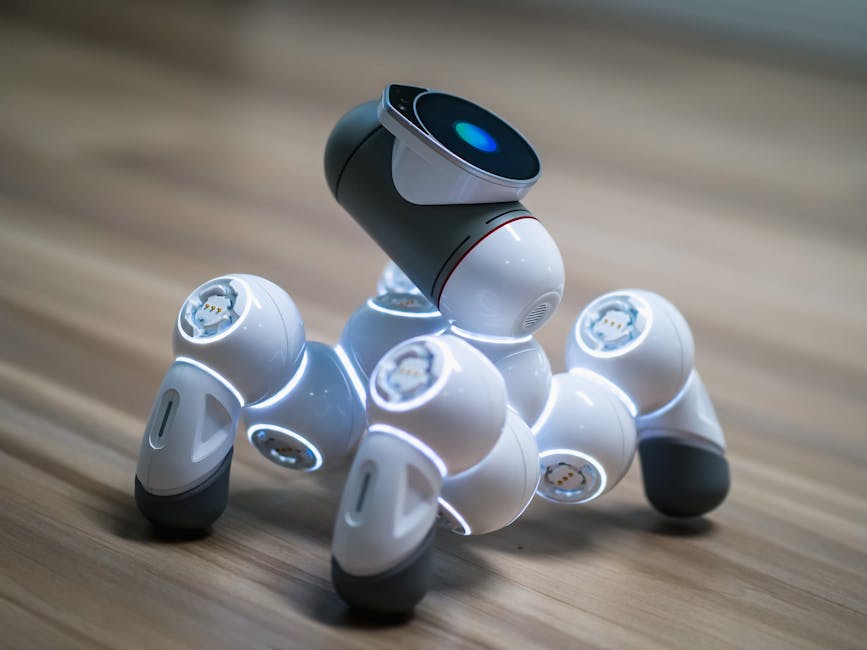
When it comes to AI pets, it’s all about emotional connection—just ask Casio about their Moflin. Designed to mimic pet-like behavior with the coos and movements we all adore, the Moflin reacts to touch, sound, and light, making it less a piece of tech and more a companion. This isn’t just marketing fluff; it’s a calculated pivot toward a new consumer demand for devices that connect with our hearts, not just our minds.
But here’s where the plot thickens. As tech companies push these emotionally intelligent devices, they must also contend with the reality of their impact on digital society. With anti-screen movements gaining momentum, we might find ourselves grappling with our relationship with technology. Who wants to scroll endlessly when you could cuddle with a responsive, furry AI? This shift could amplify individual acts of ‘Appstinence’—similar to the digital detox trends we’ve seen. After all, isn’t it more satisfying to engage in something real rather than lose ourselves in a sea of digital distractions?
As we look to the future, the creator economy is surging ahead, presenting a fresh challenge to traditional journalism. YouTube and TikTok aren’t just platforms; they’re launching pads for the next wave of content moguls, complete with big-budget productions akin to Hollywood studios. As these creator-led companies grow, they’ll deliver meaningful value to audiences—a stark contrast to the declining fortunes of traditional news outlets. Expect fierce competition as platforms vie for your attention, but also a rise in quality content that serves your interests more directly.
Meanwhile, the ramifications of AI are extending into the physical world, changing the way industries operate. Amazon recently deployed its millionth robot, showcasing the efficiency of its DeepFleet AI—a logistics marvel that improves travel efficiency in warehouses by 10%. BMW’s cars are already driving themselves through production lines. This kind of innovation heralds a new age where intelligence is not just something we access, but something that actively participates in our everyday lives, blurring the lines between the digital and physical realms.
However, this technological evolution raises urgent questions about protection for vulnerable groups online. With the role of big tech under increasing scrutiny, governments are being pushed to implement stronger regulations. The advent of Google’s AI Overviews is a case in point; as these summaries take precedence in search results, they can diminish traffic to publishers—potentially slashing search referrals by as much as 43% over the next three years. The implications are profound, and the loss of clicks could lead to fewer indie voices and less diversity in the news.
As our reality shifts toward an AI-integrated future, we must also reckon with the ethical dimensions of these technologies. Should we trust AI to curate our digital lives? The risk of misinformation is real, especially with AI-generated content increasingly entering our newsfeeds. As platforms like Meta and Google push the boundaries of AI, there’s an adventure brewing—but it comes with a hefty dose of responsibility.
The next few years could reshape what it means to be connected in a digital age filled with both astonishing innovation and daunting responsibility. Are you ready to embrace a future where your pet might just be a robot? Or will you opt for a more grounded existence, advocating for genuine human relationships over synthetic companionship? The choice—and the conversation—is just beginning.
💬 Join the Conversation