
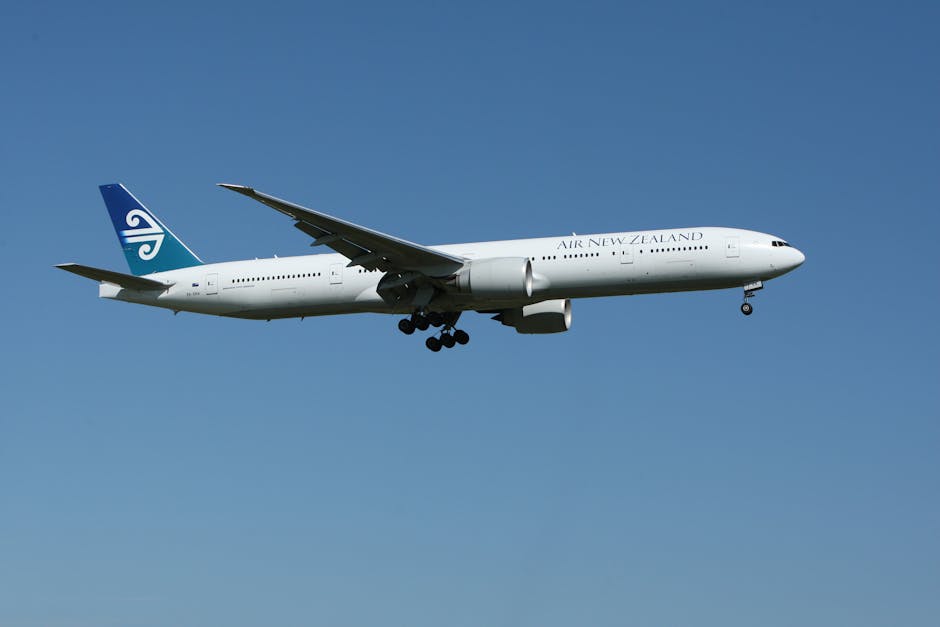
A direct flight from Miami to Caracas took off on April 30, marking a historic thaw in US-Venezuelan relations. This is the first nonstop service between the two countries in seven years, following a turbulent period that saw the deposing of leftist leader Nicolás Maduro. For travelers eager to reconnect with family or explore Venezuela’s rich culture, this is more than just a flight; it’s a lifeline that signals a potential turning point in diplomatic ties.
The American Airlines flight, designated as Flight 3599, departed with an honor guard water salute, an acknowledgment of its significance. As US carriers have largely shunned Venezuela amid political and economic instability, the resumption of this route may pave the way for further travel and trade connections between the nations. But we must ask: is this a sign of a broader diplomatic thaw, or merely a one-off gesture?
In the meantime, a harrowing health crisis is unfolding aboard the MV Hondius cruise ship in the Atlantic. A hantavirus outbreak has led to two fatalities, with one patient currently in intensive care in Johannesburg. This outbreak underscores the vulnerabilities inherent in the close quarters of cruise travel, particularly as millions flock to the seas post-pandemic. The cruise industry will face increased scrutiny, and it begs the question: are enough safety measures in place to protect passengers, or are we inviting disaster with a rush to ride the waves?
The timing couldn’t be worse, as the world grapples with how quickly illness can spread. The hantavirus, known to cause severe respiratory issues, is a stark reminder of the importance of health protocols in travel. Will this incident lead to stricter regulations for cruise ships, or will it be swept under the rug in the name of tourism profits?
On another front, Elon Musk’s legal saga against OpenAI continues to garner attention. The tech mogul’s lawsuit, which focuses on the transition of OpenAI to a for-profit entity, raises critical questions about the ethics of AI development. As Musk is cross-examined in federal court, the implications of this case could resonate far beyond Silicon Valley. Can we trust private companies to take the reins on technology that could fundamentally alter our lives?
Musk’s entrance into the courtroom is emblematic of a growing tension between innovation and regulation. As tech giants wield more power, we must consider how this impacts society. Will Musk’s legal battle open the floodgates for more scrutiny of tech firms, or will it solidify a damaging precedent that favors corporate interests over public welfare?
In geopolitical news, the US military has ramped up its presence in the Caribbean, a region ripe with potential conflict. This move signifies an increased focus on safeguarding American interests in a strategic area that connects North and South America. With rising tensions involving drug trafficking, economic instability, and migration flows, bolstering military strength may be deemed necessary. But is this escalation the right approach?
The Caribbean’s challenges are complex and multifaceted, requiring more than just military might to resolve. We need diplomatic efforts to foster stability, alongside a commitment to address the root causes of conflict in the region. Will a show of force lead to peace, or will it exacerbate existing tensions?
Amid these unfolding stories, a broader narrative emerges: the interconnectedness of health, travel, technology, and geopolitics. As we see a resurgence in global movement with flights reopening and cruisers setting sail, there’s a looming obligation to ensure safety, accountability, and ethical practices.
The question remains: as our world edges toward a new normal, how will we prioritize the balance between progress and safety in our interconnected lives?
💬 Join the Conversation