Imagine waking up in 2026, and artificial intelligence isn’t just a buzzword anymore—it’s changed how we work, live, and play. The hype cycle is finally giving way to practical applications, and a staggering $10 billion in funding within the first two months of the year signals that companies are ready to roll up their sleeves. This is the year we’ll see the AI landscape shift dramatically, and it’s not just about bigger models. It’s about smarter implementations and real-world utility.
Let’s break it down. 2025 was a year of AI self-discovery, where developers and enterprises tested the waters. Now, the focus is on deploying smaller, specialized models that fit seamlessly into existing workflows. The era of showing off large-scale language models is fading. Instead, we’ll see AI embedded in everything from smart devices to healthcare systems, making our lives not just easier but more efficient.
A notable player in this game is Google’s DeepMind, which recently launched Genie—a model designed for real-time interaction. This isn’t mere eye candy; it’s a step toward making AI genuinely helpful in our daily tasks. Other newcomers, like Decart and Odyssey, have begun rolling out their own world models, diving into areas like spatial reasoning and video generation. They’re not just experimenting; they’re delivering products that could redefine what we expect from AI technologies.
People are understandably skeptical. We’ve all seen the flashy demos that promised the moon but often delivered little. However, experts agree that 2026 will be the turning point, moving from flashy demonstrations to actual deployments. Taneja from TechCrunch observes that connectivity will be key. As wearables like smart glasses and health rings gain traction, companies will optimize their network infrastructure to accommodate this wave of always-on devices.
This shift in focus brings with it a sobering reality: while robotics and autonomous vehicles continue to capture headlines, they come with high training costs. Yet, cheaper alternatives like wearables can provide a gateway for consumer adoption without breaking the bank. It’s not just about building the fanciest gadgets; it’s about making them practical and accessible.
Imagine walking down the street and your smart glasses not only provide information on the world around you but also assist in work-related tasks. That’s the future we’re heading towards, and it’s thrilling. The potential for AI to automate mundane tasks and augment human capabilities is limitless—if we can execute it correctly.
Still, let’s be real: challenges remain. The potential for job displacement is looming large, and with it comes the moral obligation for companies to think critically about how they implement AI. As automation rises, we could see significant shifts in labor markets. It’s a complicated dance between providing innovative solutions and ensuring that human workers aren’t left behind.
A common concern echoed across tech circles is the vendor sprawl. Enterprises are currently testing multiple AI tools for even the simplest use cases. But as we move into 2026, it’s likely that Chief Information Officers will start demanding more streamlined solutions. Expect firms to cut back on experimentation budgets and focus on the tools that actually deliver results. In the end, efficiency will trump novelty.
The conversation around AI isn’t just about tech enthusiasts anymore; it’s becoming mainstream. It’s already affecting the way people work, and it will soon become a staple in industries like finance, healthcare, and education. Those who aren’t paying attention might find themselves left in the dust as the landscape evolves.
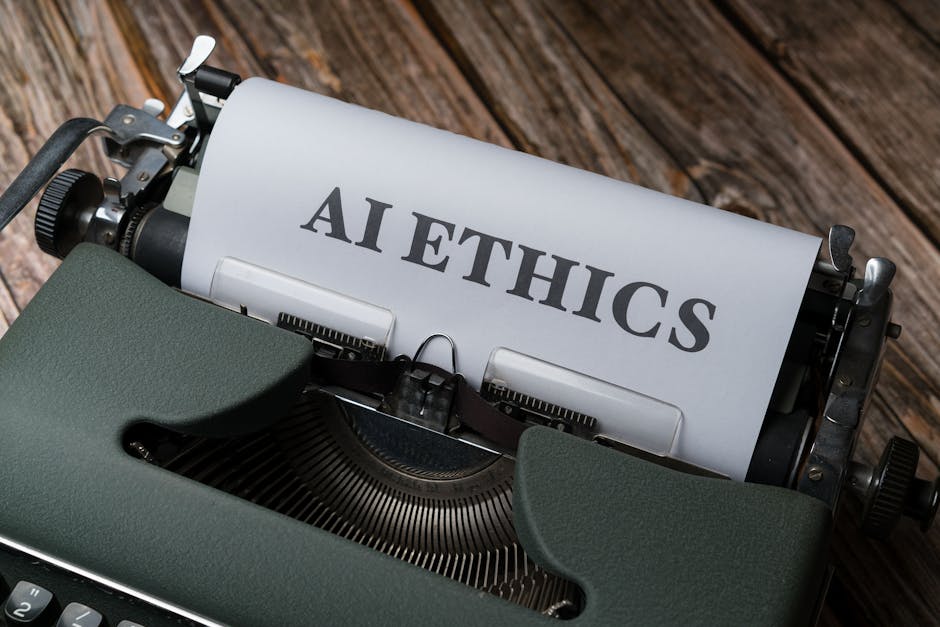
With all of these promising developments, one thing is clear: AI in 2026 isn’t just a possibility; it’s an inevitability. We are on the precipice of a revolution that will redefine work, productivity, and even the structure of our daily lives. The applications are vast, but so are the ethical considerations. Companies must adopt a responsible approach to ensure that technology enhances human roles rather than replaces them.
So, what does the future hold for AI? Will we embrace these changes, or will fear of job loss lead to a backlash? Will corporations take the high road and prioritize social responsibility, or will they chase profits at the expense of their workforce? The clock is ticking, and the answers may define the next decade. What are your thoughts on how AI will reshape our world?
💬 Join the Conversation