
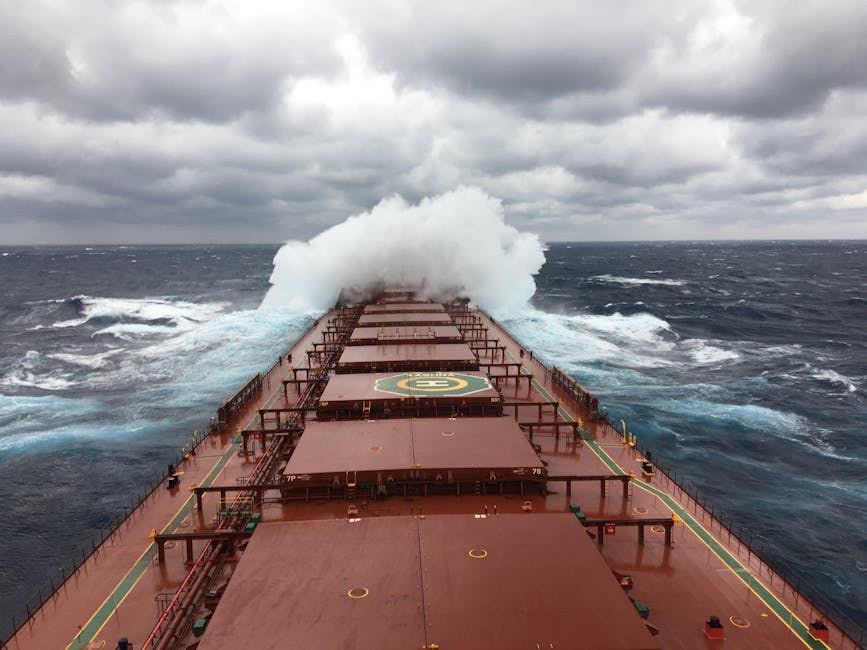
When a serious outbreak of a respiratory illness strikes a cruise ship, it doesn’t just affect the passengers on board; it sends shockwaves through global health systems and raises questions about international travel safety. As reported, the MV Hondius cruise ship anchored off Cape Verde has become a floating hotspot for “severe acute respiratory illness,” resulting in two fatalities, including a passenger who tragically passed away in Johannesburg. The World Health Organization has now confirmed that the notorious Andes strain of hantavirus was detected aboard, sparking widespread fears about what this means for public health, particularly with tourism season just around the corner.
But the unsettling news doesn’t stop there. Across the globe, Iran has tightened its grip on the Strait of Hormuz, a vital artery for global oil shipments. These new regulations aim to secure strategic gains amid rising tensions in the region. If the cruise ship outbreak demonstrates the fragility of public health, Iran’s move highlights the precarious balance of geopolitical power.
Imagine the implications: as cruise lines scramble to ensure passenger safety, will financial repercussions force them to rethink itineraries or even halt operations entirely? With more than 1,600 vessels stuck in the Persian Gulf since February due to Iran’s wartime maneuvering, the stakes have never been higher.
The MV Hondius, with its picturesque façade, has become an unwilling emblem of the convergence of health crises and international tensions. Doctors and epidemiologists raise alarms—hantavirus is known for causing severe respiratory illness and can lead to significant mortality rates. The Andes strain, in particular, poses unique challenges, leaving health authorities on high alert and prompting a reevaluation of how quickly and effectively they can respond.
As the global community watches closely, we must ask: what are the repercussions for travel and tourism? The industry has been gradually recovering from the pandemic’s grip, but this new health crisis could set it back further. If fear of infection causes a decline in travel, we could see job losses, company bankruptcies, and a ripple effect that reaches beyond tourism. The financial impact on Cape Verde, heavily reliant on tourism, could be devastating if potential visitors reconsider their travel plans.
Meanwhile, Iran’s imposition of new rules in the Strait of Hormuz isn’t just a local issue; it reverberates worldwide. Nearly a third of the world’s oil trade passes through this narrow waterway, and anything that disrupts this flow could lead to soaring oil prices. If Iran continues to assert its control, we might find ourselves in a precarious situation, especially as countries juggle energy independence and geopolitical alliances.
Singapore’s education minister, Desmond Lee, represented a brighter side of the news cycle when he was photographed advocating for educational advancements in September 2025. However, the contrast between progress in education and the ongoing health and geopolitical crises serves to heighten the urgency of finding solutions. While nations like Singapore push forward, others are grappling with their own storms.
You may be wondering—what’s next? Will health officials around the world adopt stricter regulations to prevent outbreaks like the one aboard the MV Hondius? Will countries ramp up surveillance at borders and ports? In an age where a single virus can cross oceans in a matter of hours, the time to act is now.
As citizens, we must also engage in discussions about the implications of these developments. How will our governments respond to these dual crises of public health and international security? You have the power to influence the dialogue around these issues.
One thing is clear: the unfolding situations in Cape Verde and Iran serve as reminders that global stability is interconnected. A respiratory illness outbreak in a cruise ship or new regulations at a strategic chokepoint can have effects that ripple through economies and societies worldwide. Today, we face a choice: will we stand by as spectators, or will we demand action from our leaders to safeguard our health and security?
What are your thoughts on how the global community should respond to these crises?
💬 Join the Conversation