
As we look ahead to 2026, the landscape of wellness is poised for a dramatic shift. The days of cookie-cutter health solutions are fading fast. Instead, we’re entering an era where personalization, community, and technology are taking center stage, fundamentally changing how we approach our well-being.
One of the most exciting trends on the horizon is specialized supplementation. Forget the days of swallowing a generic multivitamin while hoping it covers your nutritional needs. More and more people are turning to a tailored approach, getting tested for specific deficiencies and crafting personalized supplement plans. This shift, powered by the rise of functional medicine, emphasizes the importance of food first and supplements second. You’re likely to see a surge in brands offering bespoke multivitamins that cater to individual health profiles.
The second trend we’re likely to see gaining traction is the tech-free diet. After years of being plugged into our devices constantly, many of us are beginning to crave a digital detox. This trend isn’t just about cutting back on screen time; it’s about fostering genuine human connections and creating social rituals around meals. More people are recognizing that eating together, without distractions, can serve as a powerful healing tool for our well-being.
Next, let’s talk about community wellness. Sarah Aspinall, a movement specialist, points out that people are yearning for spaces where they can connect and engage with others—especially women navigating significant life transitions like motherhood or menopause. In 2026, we can expect an increase in community wellness centers that not only offer physical activities but also serve as hubs for social interaction. These spaces will foster a sense of belonging and provide group activities that ignite shared interests.
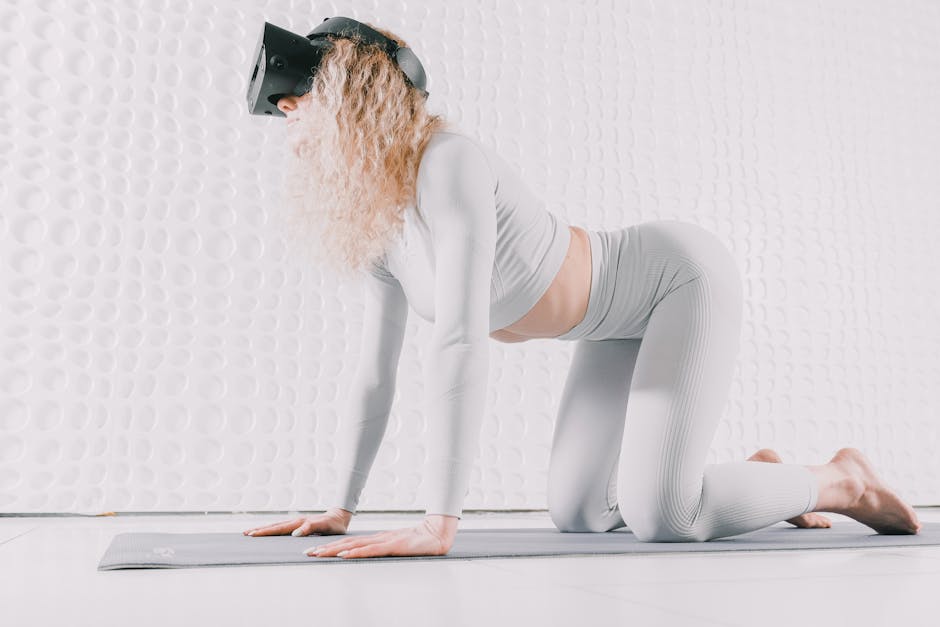
Now, let’s venture into the meta world. The concept of ‘metaverse health’ is gaining momentum and can potentially transform how we view wellness. Imagine attending a yoga class in a virtual landscape or having a therapy session in a calming digital setting. As health and tech continue to intersect, virtual reality could provide access to wellness in ways we never thought possible, making healthcare more accessible than ever.
And we can’t forget the simplified skincare trend that promises to make our routines less daunting. As we begin to prioritize quality over quantity in our beauty regimens, more people are looking for straightforward solutions that offer real results. The new mantra is all about minimalist skincare—products that are effective but uncomplicated, allowing us to focus on maintaining healthy skin without the clutter of endless products.
While these trends seem promising, it’s clear that wellness is moving towards a more preventive approach. Instead of merely reacting to health issues, people are starting to invest in their well-being earlier. This preventive mindset includes a greater emphasis on hydration, nutrient support, and regular wellness services. As the wellness industry adapts to this shift, there will be a notable increase in services like IV hydration therapy, which offers quick recovery and immune support.
The future may also see a significant focus on metabolic and hormone-based care, moving away from traditional weight-loss strategies. This shift recognizes that our bodies are complex systems that require more than just caloric restriction. Instead, the industry is likely to embrace a more holistic view of health that considers hormonal balance and metabolic health as key players in overall well-being.
It’s clear that wellness is not just about looking good; it’s about feeling good from the inside out. As we prioritize longevity, we’ll see increased demand for services that support cognitive function and chronic disease prevention. In 2026, expect businesses to cater to this growing need by offering a range of services that emphasize a proactive approach to health.
So, how do we feel about all these trends? While many of these ideas sound appealing, it’s crucial to approach them with a sense of skepticism and mindfulness. The wellness industry is full of fads, and not every trend will deliver on its promises. Let’s stay informed, but also critical—after all, personalization is key, but it’s not a one-size-fits-all solution.
As we embrace these trends, one question looms large: will the push for personalization truly lead to better health outcomes, or could it just be another marketing ploy? Share your thoughts below—what wellness trend excites you the most for 2026?
💬 Join the Conversation