
The world has become a stage for dramatic upheavals, with 2026 already proving to be a year of crises. From the collapse of Spirit Airlines to tragic volcanic eruptions in Indonesia and fatal bear attacks in Japan, the headlines aren’t just alarming—they’re a stark reminder of our increasingly volatile reality. These events highlight the fragility of human life and the delicate balance of our geopolitical landscape.
In a shocking turn of events, Spirit Airlines announced its shutdown on May 2, 2026, after failing to secure crucial funding from the Trump administration. For Florida travelers, this meant canceled flights and shattered plans. Flor Suarez’s trip to Guatemala was abruptly halted, leaving her stranded at Fort Lauderdale-Hollywood International Airport, navigating the chaos that followed the airline’s sudden wind-down. With airlines already facing unprecedented challenges in the wake of the pandemic, the demise of Spirit Airlines underscores the vulnerability within the aviation industry today.
But the turbulence isn’t confined to the skies. On the ground, Japan is grappling with its first recorded fatal bear attack of the year, following a shocking 13 deaths linked to bear encounters in 2025. Wildlife experts warn that human encroachment into bear habitats is exacerbating the risks, as people unintentionally provoke these animals. In Japan, the tragic death of a woman serves as a grim reminder that nature continues to reclaim its territory amidst our rapid urban expansion.
Meanwhile, Indonesia is grappling with its own natural disaster. Mount Dukono erupted, killing three hikers who ventured into a restricted area. This incident highlights the dangers that many adventure-seekers overlook when exploring the world’s natural wonders. Authorities are racing to rescue those still stranded, but the tragedy has ignited discussions about safety regulations and the responsibility adventure tourism companies bear.
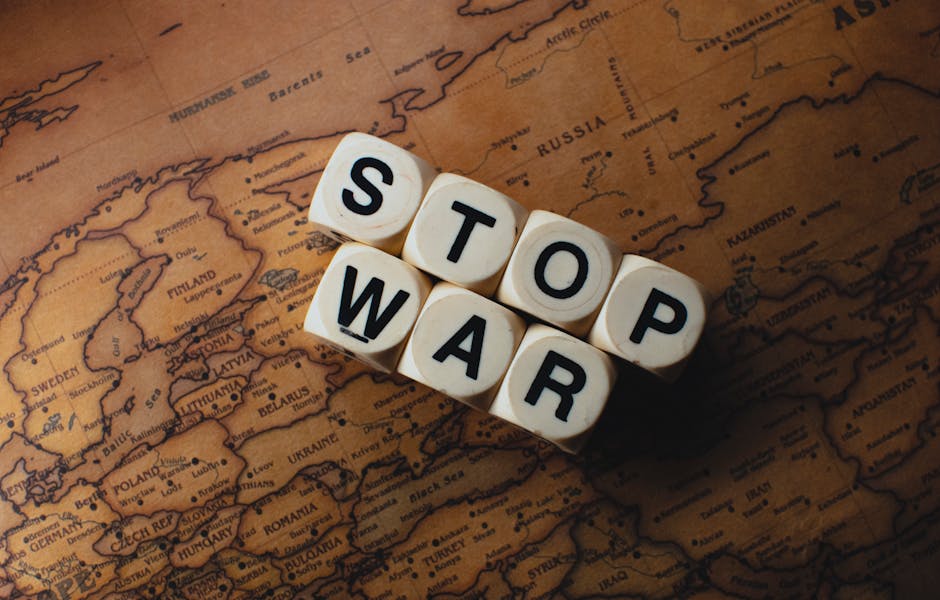
In another troubling chapter of 2026, geopolitical tensions are reaching a boiling point. The United States has launched retaliatory strikes on Iranian ports after American warships came under fire in the Strait of Hormuz. President Trump insists that the ceasefire remains intact, but Iran’s declaration that the U.S. has “crossed the point of no return” raises alarms about an escalating conflict. With military assets concentrated in volatile regions, the balance of power is precariously shifting, and we must ponder: how long before this powder keg ignites into full-scale war?
The backdrop of these crises illustrates a world at odds with itself. Economic instability breeds desperation, and geopolitical maneuvering only complicates the narrative. It’s a tinderbox, and you can feel the tension in the air. As international relations deteriorate, will we continue to witness the collapse of institutions—like Spirit Airlines—or is this an opportunity for a rebirth of air travel?
Moreover, as we confront these natural disasters and human tragedies, we are also reminded of the enduring need for global cooperation. Climate change exacerbates natural disasters, and as nations grapple with their own challenges, the need for a communal response grows more urgent. Indonesia’s volcanic eruption and Japan’s bear attacks are but droplets in a rising ocean of crises that could be exacerbated by climate shifts.
As we reflect on these events, it’s clear that 2026 is shaping up to be a transformative year, one that may redefine how we approach everything from international relations to domestic safety regulations. Will we learn from these tragedies, or will they become mere footnotes in the annals of history?
With the stakes higher than ever, you have to wonder what lies ahead. Will we see a shift in how governments prioritize funding for safety and disaster preparedness? Or will the ongoing geopolitical conflicts overshadow the pressing need for environmental responsibility? The answers may not come easy, but one thing is certain: the world is watching, waiting for clarity in the chaos. What do you think—it’s time for a major turning point, or are we simply bracing for the next crisis?
💬 Join the Conversation