You might think AI is just another buzzword, but in 2026, it’s set to become the backbone of business operations. Companies across the U.S. raised over $100 million, fueling a shift from mere hype to practical applications. CIOs are dropping the flashy toys in favor of tools that genuinely optimize business processes.
Barry Diller’s candid trust in Sam Altman speaks volumes about the rising seriousness of this game. Diller has described the concept of “trust” as irrelevant in the realm of Artificial General Intelligence (AGI), hinting at the complexities and moral dilemmas that lie ahead. As the stakes get higher, the tech world is grappling with a critical question: can we trust these systems to augment our lives without overwhelming them?
One noteworthy development is Snap’s amicable termination of its $400 million deal with Perplexity. This sends a signal that even big players are recalibrating their AI strategies. We’re witnessing a clear trend: businesses are no longer solely chasing the latest models, but rather looking for solutions that fit seamlessly into existing frameworks.
The hype bubble is deflating, and while autonomous vehicles and robotics are still tantalizing prospects, the reality is that their training and deployment costs remain prohibitively high. Enter wearables like the Ray-Ban Meta smart glasses, which are evolving into practical tools that offer real-time assistance. Imagine having a virtual assistant effortlessly embedded in your daily life—this is not science fiction anymore; it’s where we’re headed.
While companies like Spotify are racing to become the home for AI-generated personal audio, it’s the back-end developments that are shaping the real future of AI. Spotify’s AI DJ supporting multiple languages is a neat feature, but the true innovation lies in integrating AI into everyday applications, from music to decision-making in enterprises. This is what will define the AI landscape in 2026.
We’re also seeing a surge in open-source AI demand, exemplified by Moonshot AI’s impressive $2 billion funding round. With a valuation soaring to $20 billion, it’s clear that stakeholders are betting big on open-source solutions that can democratize access to AI capabilities. As large companies tighten the screws on their proprietary models, smaller players are emerging with game-changing alternatives.
What’s fascinating is how CIOs are shifting their focus from point solutions to end-to-end platforms. The days of collecting various tools that often don’t interact well are diminishing. Businesses are waking up to the fact that they need to streamline their tech stacks for real efficiency. We can expect 2026 to be the year of consolidation, where complex integrations become less of a burden, and optimized workflows take center stage.
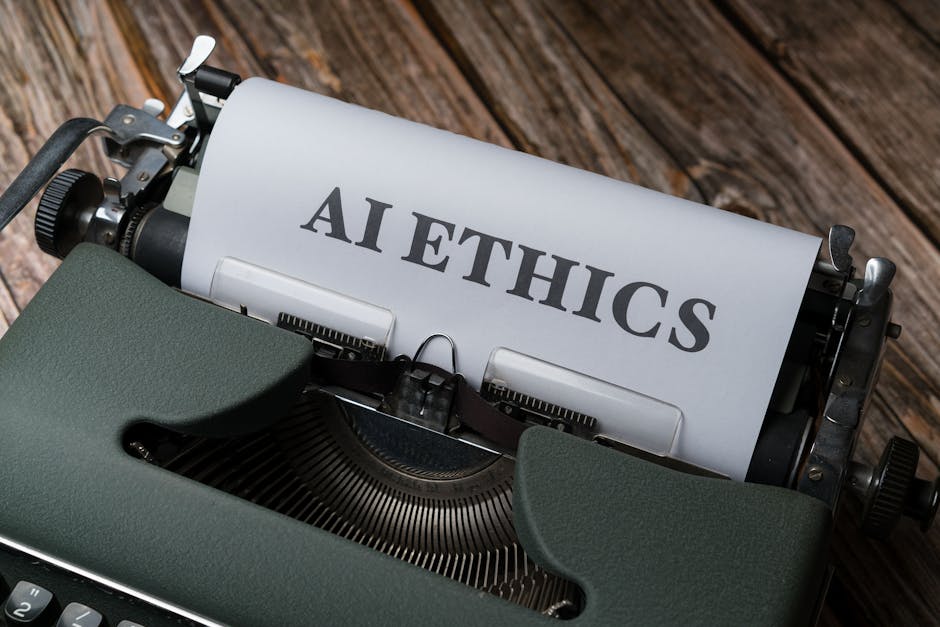
With significant investment in traditional giants like Google, we see a robust push towards integrating AI meaningful into industrial applications. Autonomous systems are becoming more than just concepts; they’re poised to reshape industries. The irony? The challenges of governance and ethical considerations are now playing a larger role in determining how these technologies are deployed and used.
As we look at Musk’s xAI and its potential to redefine cloud technology, it becomes evident that the future of AI won’t just be about innovation for its own sake. Instead, we’ll be challenged to ask how these advancements can serve the collective good while addressing ethical dilemmas. The road ahead isn’t just paved with opportunity; it’s also fraught with responsibility.
What does this all mean for the average user and enterprise? Expect more personalized, integrated solutions that don’t just impress with their sophistication but actually improve user experience. The evolution from flashy interfaces to functional design will be the key theme of 2026.
We’re on the brink of an AI renaissance, where practical applications reign supreme over exaggerated promise. As stakeholders from tech giants to startups realign their strategies, the question remains: will we embrace this more pragmatic approach, or will we get swept back into the hype cycle? Either way, 2026 promises to be a pivotal year in the AI narrative. What are your thoughts? Are we finally ready for a future where AI is seamlessly woven into the fabric of our lives?
💬 Join the Conversation