
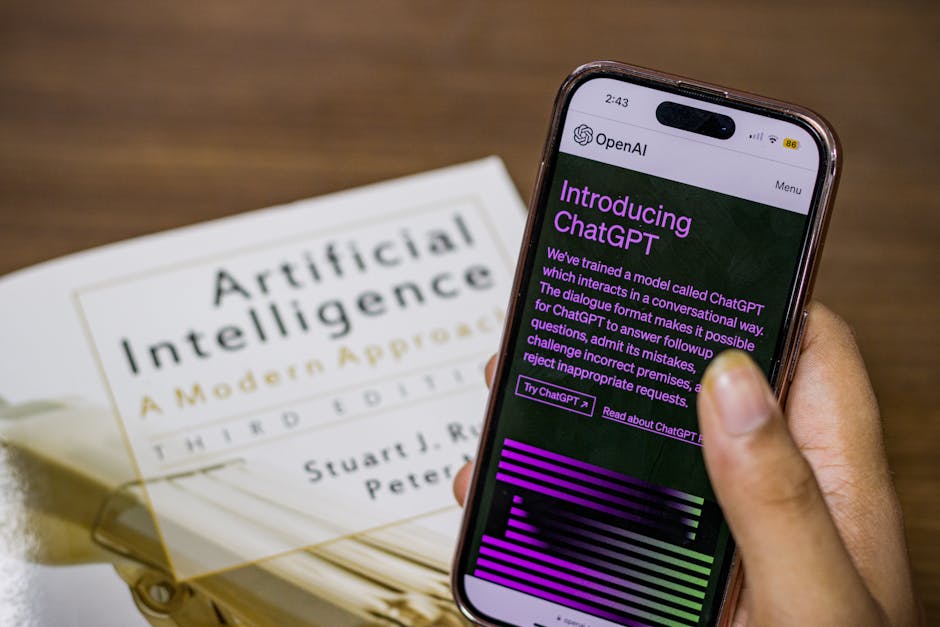
OpenAI is not just a player in the AI landscape; it’s a heavyweight champion gearing up for an intense matchmaking round. With a staggering $110 billion raised recently, the company is pivoting toward enterprise AI solutions at a pace that leaves competitors scrambling. The buzz around OpenAI is electric, but there’s a catch: while they’re innovating rapidly, they’re also under the microscope for safety and ethical concerns.
Let’s talk numbers. Nvidia has thrown down a $40 billion commitment to equity AI deals this year alone, showcasing just how lucrative the enterprise AI market has become. This isn’t just about making flashy tech; it’s about building an infrastructure that can scale. OpenAI isn’t sitting idle; they just launched GPT-5.5 Instant, a new default model that promises to refine their offerings, hinting at an ambitious plan to become the go-to AI superapp. You have to wonder, though: is this aggressive push the right move, or are they trying to keep too many balls in the air?
OpenAI’s recent ventures include new voice intelligence features in its API, which could revolutionize how businesses interact with customers. This capability is part of a broader trend where AI is not merely a tool but becomes integral to business strategy. It’s not surprising that enterprises are increasingly embracing AI, considering that revenue from business operations at OpenAI jumped from 30% to 40% recently. That’s a clear signal that businesses recognize the value of integrating AI into their workflows. But what about the end-users? Do they feel equally empowered by these advancements?
A significant development has been the introduction of the ‘Trusted Contact’ safeguard for cases of potential self-harm. OpenAI is making strides to enhance user safety, which is crucial, especially in light of Elon Musk’s ongoing legal scrutiny regarding the organization’s safety records. Is this push for safety merely a PR move, or a genuine effort to mitigate real risks? Users have had mixed reactions, with some appreciating the new features while others remain skeptical, questioning whether these measures are enough.
Meanwhile, the competitive landscape is buzzing with players like Anthropic, who unveiled Claude’s new Chrome integration. The rivalry is heating up, and it’s clear that OpenAI isn’t just racing against tech giants but also against ethical dilemmas and public trust issues. There’s a sentiment among users that while advancements are impressive, they come with apprehension about responsible AI usage. How can we trust AI systems when they continue to face critiques of transparency and accountability?
On a more speculative note, OpenAI has hinted at developing a smartphone where AI agents could replace traditional apps. This could be a game-changer, but let’s not ignore the challenges. Creating an AI phone would require not just advanced technology but also robust safeguards to ensure user privacy and security. As consumers, we might find the idea exciting, but do we truly understand the implications? Would you trust AI to manage your phone’s ecosystem?
OpenAI’s ambition is evident, but critics argue that with such a broad focus—ranging from voice intelligence to potential smartphone solutions—they might risk diluting their core product. The cancellation of the Sora video app shows that even giants must make tough choices. Users are left wondering if these diversions could hinder the company’s ability to deliver standout offerings consistently.
With Amazon now integrating OpenAI products through AWS, the battle for who controls the AI market is heating up. Their burgeoning partnership could yield sophisticated applications that redefine user interaction with cloud services. Users have reacted positively, embracing the convenience, but there’s an underlying fear about vendor lock-in. How much control are we willing to hand over to a single entity?
As OpenAI continues its ambitious expansion, the real question is whether it can maintain a clear focus while managing its rapid growth. This tension between innovation and safety will define its trajectory. Are they merely racing ahead in a bid to capture market share, or can they navigate the ethical implications that come with such power? As we watch this unfolding story, one thing is clear: OpenAI aims to become the primary interface for how we interact with AI—and that could have profound implications.
Will OpenAI emerge as the uncontested leader in the enterprise AI space, or will it buckle under the weight of its own ambition? What are your thoughts on their strategy—and what does the future hold for AI?
💬 Join the Conversation