The wellness landscape is about to undergo a massive transformation. By 2026, we can expect a radical shift in how we view health and well-being. Gone are the days of one-size-fits-all solutions; the focus is shifting toward personalized experiences that celebrate our individuality.
One of the most exciting trends is specialized supplementation. The age of blanket vitamin recommendations is over. Instead, we’re moving toward a more tailored approach, driven by insights from functional medicine. More people are recognizing that what works for one person may not work for another. Medical tests are helping women and others identify specific nutrient deficiencies, leading to customized supplementation plans crafted to fit their unique health needs.
Next up is the rise of community wellness. After prolonged isolation during the pandemic, people are craving genuine human connection. As author Sarah Aspinall pointed out, we’re realizing that wellness isn’t just a solo journey; it’s about belonging and participating in shared experiences. We can anticipate the emergence of multi-generational wellness spaces catering to various life stages, particularly for women navigating new motherhood or menopause.
Think about fitness classes that not only offer physical benefits but also create a sense of community. Imagine gathering with people in your neighborhood to take part in activities that spark connection and joy. It’s time to embrace experiences that promote emotional health alongside physical fitness.
The tech backlash is also looming large. As we wrestle with a hyper-digital world that often feels overwhelming, many are seeking simplicity. Expect a wave of wellness initiatives that prioritize emotional well-being over clinical metrics. “The Over-Optimization Backlash” will usher in a new era where we favor sensory experiences over the relentless pursuit of performance. This means we’ll likely see wellness raves and gatherings that celebrate creativity and emotional release, where dancing becomes a cathartic experience rather than a structured workout.
When it comes to longevity, the conversation is evolving. Longevity isn’t just about living longer; it’s about living better. A new segment of “wellness real estate” is emerging, creating homes that support healthier lifestyles with features like advanced diagnostics and AI health tracking. We’ll also see a shift in beauty standards with a focus on skin longevity—transforming the way we perceive aging. Innovations in skincare will merge with biotechnology to enhance our natural beauty without the stigma of anti-aging.
Menopause and perimenopause will no longer be whispered about in hushed tones. By 2026, we can expect significant advancements in how these stages are managed. Telehealth platforms are stepping in to offer personalized treatment plans that will make life easier for those experiencing these changes. With growing awareness, we’ll likely see more non-hormonal options for symptom relief gaining popularity as well.
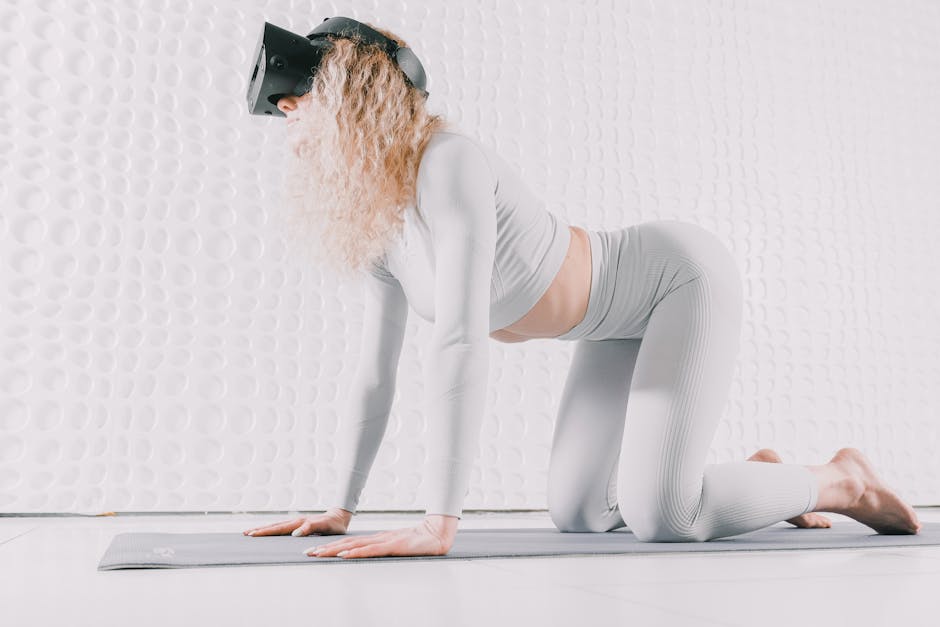
Lastly, while many trends may come and go, don’t overlook the role of technology. Wearable devices like smart rings and fitness trackers are here to stay. These gadgets will help us take charge of our health by providing real-time data that can inform our nutrition, exercise, and overall wellness. The power of AI in health is undeniable, and as more people embrace these tools, we’ll see a shift toward data-driven decision-making when it comes to our health.
In just a few short years, our approach to wellness will be more specialized, communal, and emotionally fulfilling. The future is looking bright, but it will demand that we redefine what wellness means on both personal and collective levels. Are you ready to embrace these transformations in your life? How do you see these trends shaping your wellness journey?
💬 Join the Conversation