
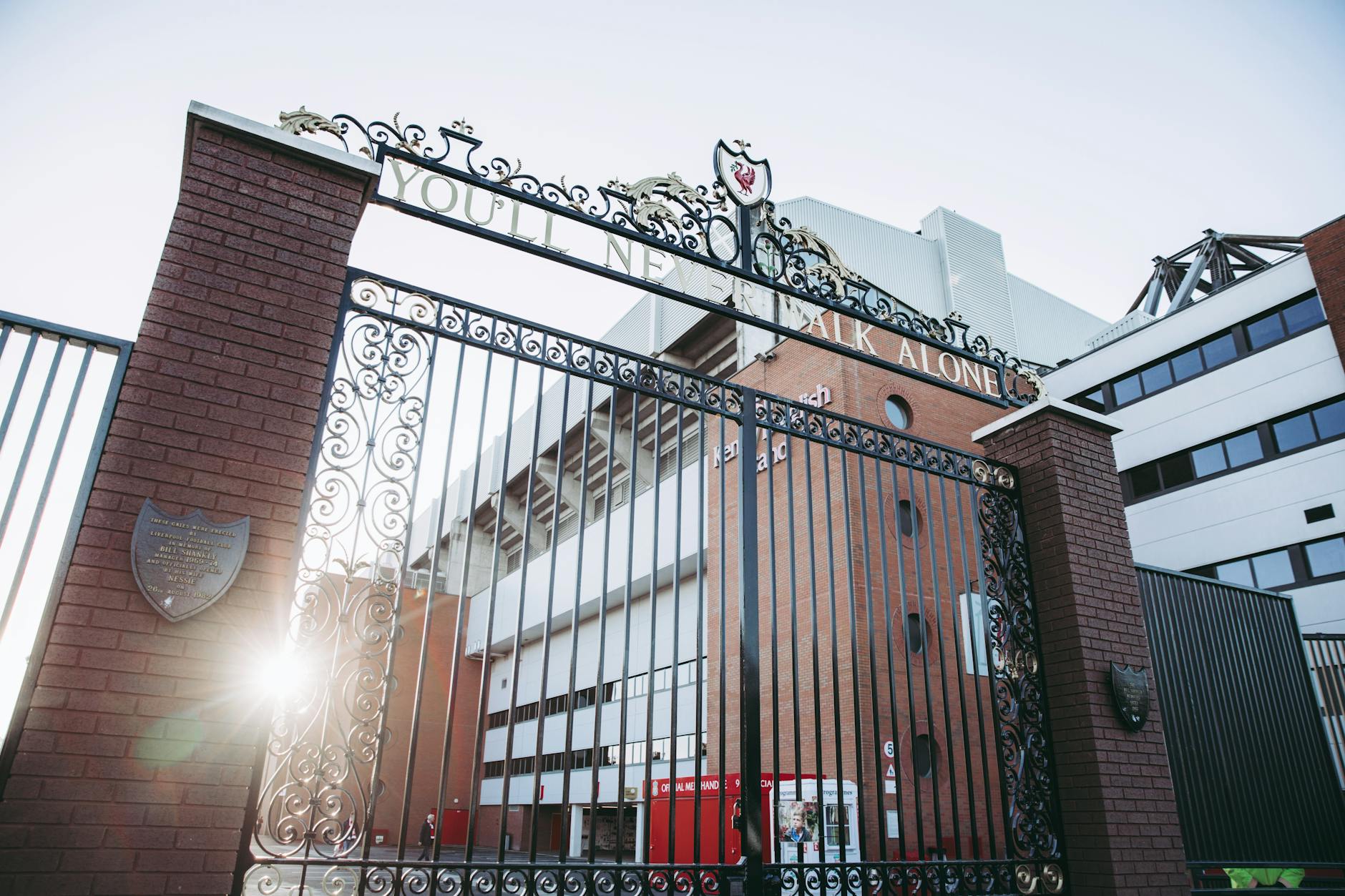
Imagine this: you’re at a match, your heart’s racing, the adrenaline’s pumping, and suddenly, chaos erupts. Tensions flare, fists fly, and before you know it, you’re caught up in a whirlwind of passion and rage. But what happens when that passion crosses the line? This isn’t just another football story; it’s a look into the dark underbelly of hooliganism, a culture that refuses to die even as security grows tighter.
Last week, during a heated local derby, an unexpected clash unfolded between rival supporters. While the players battled for glory on the pitch, thousands of fans poured into the streets, and it escalated quickly. You could feel the air thick with hostility; the sweet scent of beer mingled with the bitterness of rivalry. The police, ready for trouble, were deployed in droves. But here’s the kicker: their presence only fueled the fire.
What caught everyone off guard was the sheer scale of the violence. Reports of fans trying to scale fences and barriers to escape police were rampant. It’s a stark reminder that, no matter how much authorities clamp down on hooliganism, the allure of the fight seems irresistible to some fans. The fences may become taller, but the desire to break free and assert dominance is even stronger. It’s a footballing prison that feeds a certain breed of fanatics; they can’t resist the thrill of the chase, even if it leads to their downfall.
For many, attending the match is more than just watching football; it’s about belonging to a tribe, a community that binds them together. But when that community turns toxic, what’s left? You have to wonder if it’s worth it. The higher the fences go, the more determined they become to break through, both literally and metaphorically. It’s a dangerous game where pride often eclipses common sense.
The scene last week was chaotic yet eerily predictable. Fans charged at police lines, desperate to get a taste of the raw energy surging through the crowd. It’s a scene we’ve seen countless times before, but each episode feels like a slap in the face to those who cherish the beautiful game. The question we must ask ourselves is: why does this culture persist even when the stakes are so high?
The truth is, the culture of hooliganism is not just about violence; it’s about community, identity, and sometimes even class struggles. These fans are often marginalized, feeling disconnected from mainstream society. On match days, they forge a bond that transcends the mundane. But that bond can morph into something sinister, a dangerous cocktail of pride, aggression, and the need for respect. The desperation to escape police lines may symbolize more than a simple desire to avoid arrest; it may reflect a broader search for identity.
Let’s not sugarcoat it: this isn’t just a problem for the authorities. It’s a blight on football as a whole. Clubs have been working tirelessly to distance themselves from these behaviors, yet the undercurrent remains. Increased security measures are a response to this growing problem, but as we saw last week, they often only serve to heighten tensions. It’s a vicious cycle that begs for a solution.
The Premier League has made strides in combating hooliganism, but it seems the old-school mentality is hard to shake. The police and stewards may create barriers, but what they fail to grasp is that for some, these barriers only heighten the allure of rebellion. It’s the thrill of the chase that drives these fans; the promise of glory, even if it comes at a cost. It’s ironic, considering how football is marketed as a family-friendly sport, yet a tiny faction thinks nothing of turning it into a war zone.
So, what’s next? Will we see more violence as fences get higher and tensions boil over? It’s a question that can only be answered by the very fans who continue to fuel this reckless behavior. Until they choose to embrace the football culture that promotes positivity over aggression, the cycle will persist.
The real tragedy here is that this beautiful game, which should unite us, is marred by this dark shadow of hooliganism. It’s time for fans to reclaim the sport we all love, to channel that passion into support and camaraderie instead of chaos. Are we ready to hang up our fists and put our hands together for the spirit of football? Or will we continue to let the fences get higher?
💬 Join the Conversation