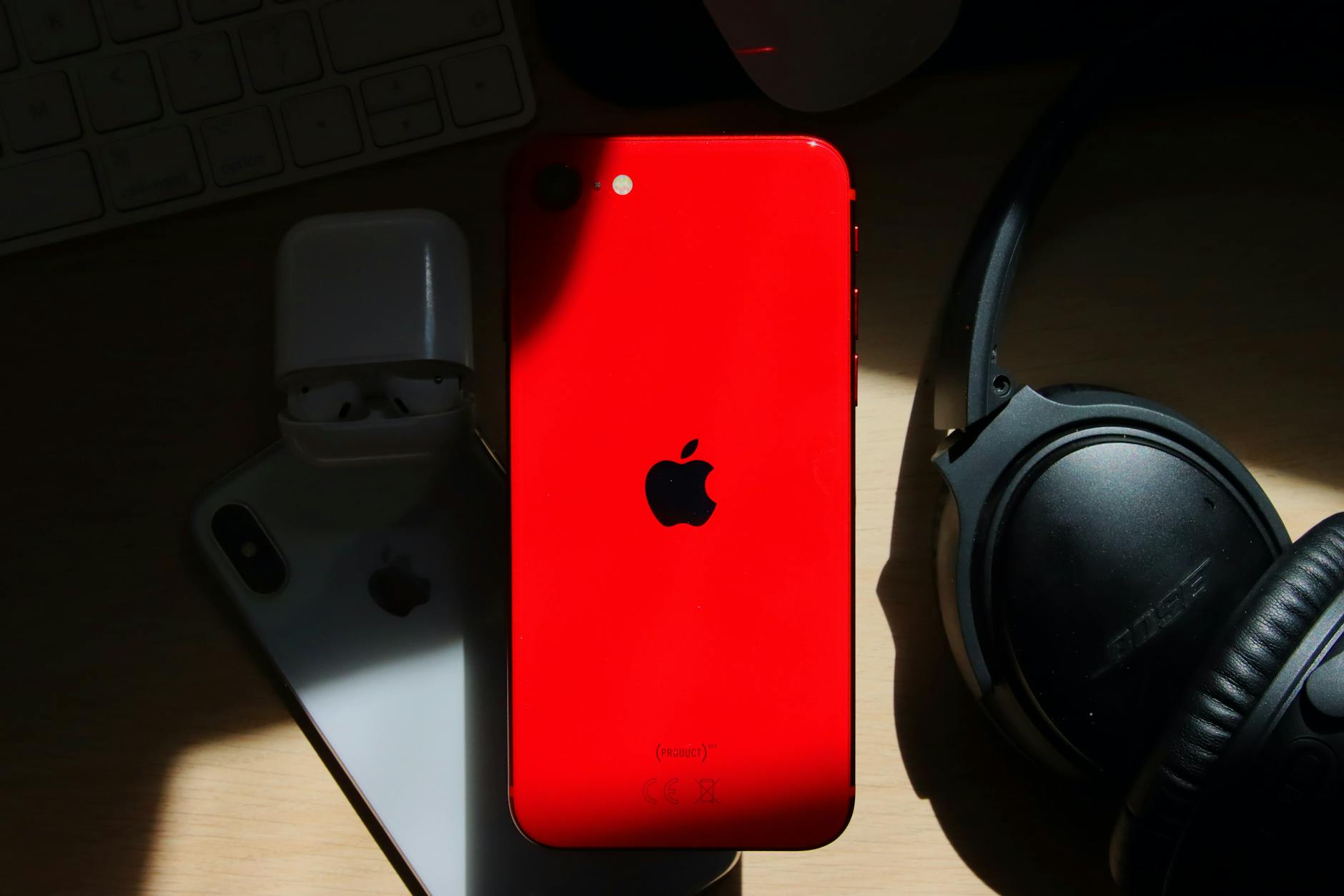
When you think of Apple, you might picture sleek devices, cutting-edge technology, and a loyal customer base. But here’s a surprising twist: Apple offers free engravings on some of its products, like AirPods and iPads. Why does the tech giant invest in this seemingly minor service? Is it just a gimmick to lure customers, or is there a deeper, more strategic reason at play?
To answer that, we need to peel back the layers of Apple’s branding, marketing strategy, and customer experience philosophy. Personalization has become a significant trend in the tech industry, with companies racing to offer customers unique products. By allowing customers to engrave their names, quotes, or special messages on their devices, Apple taps into a powerful psychological aspect—ownership.
Picture this: you buy a pair of AirPods, and you have the option to personalize them with your name or a favorite saying. Suddenly, those headphones feel more like yours. You’re less likely to misplace them because they now carry a piece of your identity. This connection not only fosters customer loyalty but also encourages word-of-mouth marketing. Think about it—when you show off your customized items, you’re inadvertently advertising the brand to your friends and family.
However, there’s an even shrewder tactic at play here. By offering free engravings, Apple subtly nudges customers to choose its products over competitors. The tech market is fiercely competitive, and it’s not all about the specs; it’s often about the overall experience. Imagine a customer standing in a store, deciding between a generic pair of wireless earbuds and a pair of AirPods that can be engraved for free. The engraved product becomes not just a piece of technology but a personal statement, a gift, or a keepsake. This simple yet effective strategy creates differentiation in a crowded market.
Moreover, the move to offer free engravings ties into Apple’s larger ecosystem. The company has a unique ability to blend hardware, software, and services seamlessly. When you engrave your AirPods, it’s not just a one-time interaction; it opens the door for customers to engage with the Apple ecosystem in multiple ways. Perhaps they’ll share their music choices via Apple Music, or they might explore Apple’s range of accessories that complement their personalized earbuds. This interconnectivity deepens the customer relationship and increases the likelihood of future purchases.
Now, let’s consider the timing of this strategy. While Apple has long been known for its premium pricing, the company has faced increasing scrutiny over its pricing practices. By introducing free engravings, Apple gives customers a value-added proposition without altering its pricing structure. It’s a smart way to maintain that high-end allure while offering something tangible, making customers feel as though they’re receiving more for their money.
As consumers, we often crave authenticity and individuality. Apple recognizes this and capitalizes on it by allowing customers to leave their mark, literally. This move speaks to a larger cultural shift toward personalization in consumer goods. In a world where we’re bombarded with choices, the ability to create something unique resonates deeply with many, leading to greater satisfaction and brand loyalty.
So, what does this mean for the future? I predict we’ll see more companies adopting similar personalization strategies. It’s simply too effective to ignore. As the demand for customized products continues to grow, tech companies that fail to adapt might find themselves left behind.
In a market overflowing with options, letting customers engrave their devices could become a vital part of a successful brand strategy. Perhaps we’ll even witness the rise of customizable tech products becoming the norm, rather than the exception.
As we consider Apple’s engraving strategy, we’re left with an interesting question: can personalization be the key to survival in an increasingly competitive tech landscape? Or will it simply become another trend that fades away faster than it arrived? The real test lies in whether companies can continuously innovate and keep up with consumer desires for uniqueness in their tech experiences.
💬 Join the Conversation