
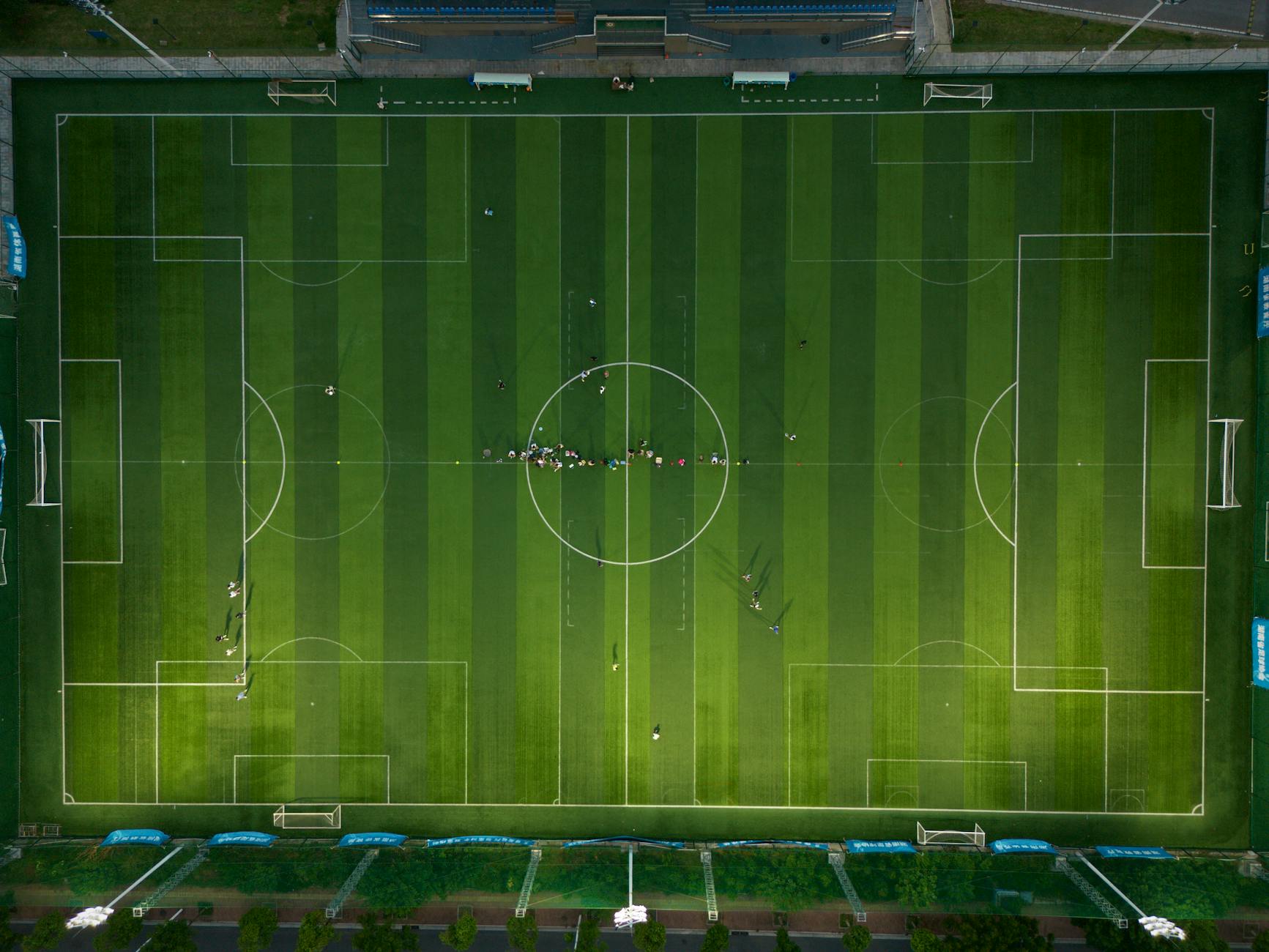
It’s May 2026, and the world should be buzzing with excitement over the impending FIFA World Cup hosted in the United States, Canada, and Mexico. Yet, here we sit, scratching our heads: where did all the anticipation go? Just a few short months ago, the streets were filled with spirited chants and colorful flags, but now the buzz seems eerily muted.
One could argue that this lack of hype is a symptom of a larger trend in sports, especially in a post-pandemic world that still feels the reverberations of uncertainty. With stadiums set to welcome thousands of fans, one would expect a renaissance of football fever. Instead, we find ourselves in a vacuum, where conversations about the tournament have shifted from excitement to vague apprehension.
Consider the facts: despite the World Cup’s historical record of drawing massive global audiences, ticket sales are reportedly lagging behind previous tournaments. As of last week, only 50% of the available tickets had been sold. This lag raises the question: Are fans becoming fatigued by the relentless adulation of the sport, or are they simply overwhelmed by the alternatives available in entertainment today? Streaming services and social media provide diverse options, diluting the once-unquestioned grip of major sporting events on public consciousness.
Economists would caution against reading too much into early sales figures, but let’s not dismiss the underlying feelings of disillusionment. The last few years have seen an explosion of content and competition for attention, with younger generations exploring new pathways for entertainment. A casual scroll through social media reveals that the digital landscape is swamped with influencers, gamers, and niche content creators, who arguably command just as much, if not more, attention than traditional sports figures.
The lack of excitement isn’t solely driven by external competition, however. The FIFA organization has come under fire for its handling of various issues, from allegations of corruption to the choice of host nations. This scrutiny has significantly dampened enthusiasm and led many to question the integrity of the tournament itself. With fans more aware than ever of the socio-political implications of hosting these events, it’s clear that support can no longer be taken for granted.
Let’s also talk about the teams. With less than a month to go, the rosters are still very much in flux. Key players are nursing injuries, while others are embroiled in club disputes that could potentially sideline them for the tournament. Fans yearn to rally around established stars, but uncertainty casts a long shadow. Remember the excitement that surrounded the likes of Messi and Ronaldo in past tournaments? Their age and diminishing presence in major tournaments leave a void that is hard to fill.
In trying to gauge the sentiment surrounding the World Cup, I took to social media. Surprisingly, reactions were mixed. Some fans expressed excitement, but many others vented their frustrations, lamenting the commercial aspect of the tournament and its disconnect from the grassroots level of the sport. Could it be that the average fan feels alienated from an event that was once their own? Is the disconnect due to an excess of commercialization and corporate sponsorship, making it hard for fans to relate?
There’s also the question of the American market and whether this World Cup will succeed in capturing the interest that FIFA hopes for. The U.S. has historically been a land of passion for a myriad of sports, but football is still in the process of carving out its niche. With the landmark event just weeks away, the question hangs in the air: can football truly take root in American soil?
As we stand on the brink of what should be a celebratory moment in the world of sports, it’s essential we reflect on why the hype has faded. The 2026 World Cup has the potential to bridge divides, but it could also reinforce them. Should fans put their loyalty on the line when the beautiful game seems to be caught in a whirlwind of commercialism and controversy?
Perhaps it’s time for those involved—FIFA, the governing bodies, and teams—to step up and reclaim the narrative. Football has long been celebrated as a game of the people, but it’s crucial that it honors its roots and keeps the fans at its heart.
Are you ready for the 2026 World Cup, or do you think it’s losing its spark?
💬 Join the Conversation