
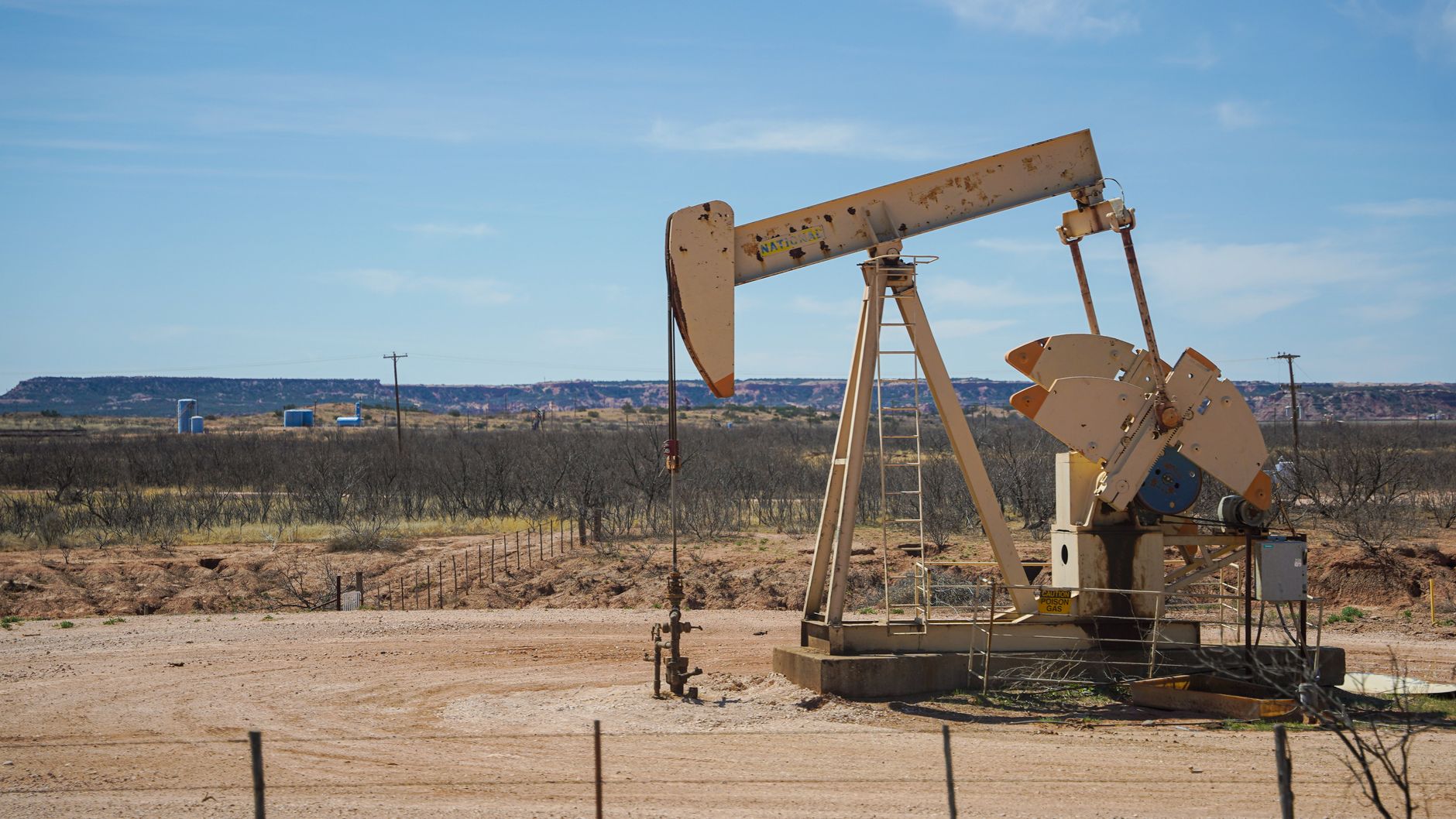
On October 6, 2026, Iran witnessed significant political and economic shifts as Mohsen Paknejad, the current oil minister, stepped down, prompting President Masoud Pezeshkian to appoint Hamid Bovard as his successor. This shake-up comes at a time when the government is under intense scrutiny, with growing calls for the impeachment of Foreign Minister Abbas Araghchi and rising pressure on two other ministers. The developments signal not only internal discord within the Iranian government but also underline the mounting public dissatisfaction fueled by an economic crisis that seems to grip the nation.
The resignation of Paknejad is particularly telling. Not only does it reflect the precariousness of leadership positions within Iran’s administration, but it also raises questions about the government’s ability to manage the ongoing economic turmoil. With the Iranian rial plummeting to over 2.5 million rials against the dollar, concerns are mounting about the regime’s capability to stabilize the economy amidst widespread unrest. The rapid depreciation has made even basic necessities unaffordable for many, leading to protests erupting across various sectors of society.
Further complicating the political landscape is the demolition of Gohardasht Prison, a site notorious for its role in the mass executions of political prisoners in the summer of 1988. The Iranian judiciary’s decision to obliterate this significant historical site, done without independent documentation, raises alarms about the regime’s efforts to erase uncomfortable truths from its past. This act, seen by many as an attempt to erase historical memory, sends a chilling message about the lengths to which the government may go to suppress dissent and evade accountability for its actions.
The protests happening in Iran are emblematic of a broader struggle against not only economic hardship but also political repression. On October 4, social security retirees took to the streets in multiple cities, chanting slogans that directly challenged the regime, such as “Our enemy is right here,” and “We want nothing but our rights.” Their demands resonate deeply with many Iranians who feel abandoned and betrayed by the government. Meanwhile, students and shopkeepers are joining the chorus of discontent, staging sit-ins and protests against unjust policies and empty promises from officials.
These protests reflect a fracture within Iranian society, where long-standing economic grievances are now melding with demands for political reform and accountability. The fact that political prisoners in 66 prisons are currently on hunger strike for the 141st week, protesting against executions and dire prison conditions, emphasizes the depth of the dissatisfaction that permeates the country.
It is vital to recognize that the demonstrations are not isolated incidents but rather part of a larger movement for change in Iran. This movement has gained traction as various sectors unite against the government’s oppressive policies and economic mismanagement. The ongoing strife raises the critical question: will the Iranian regime adjust its strategies in light of widespread discontent, or will it continue to double down on repression, potentially leading to a more explosive confrontation?
As we watch these pivotal moments unfold, it is imperative to consider the implications of Iran’s current trajectory. A tipping point may be on the horizon, where the cumulative pressures of economic instability, political dissent, and social injustice could lead to a significant upheaval in the country. The world should be prepared for what might come next in this intricate and evolving narrative of resistance in Iran.
💬 Join the Conversation