
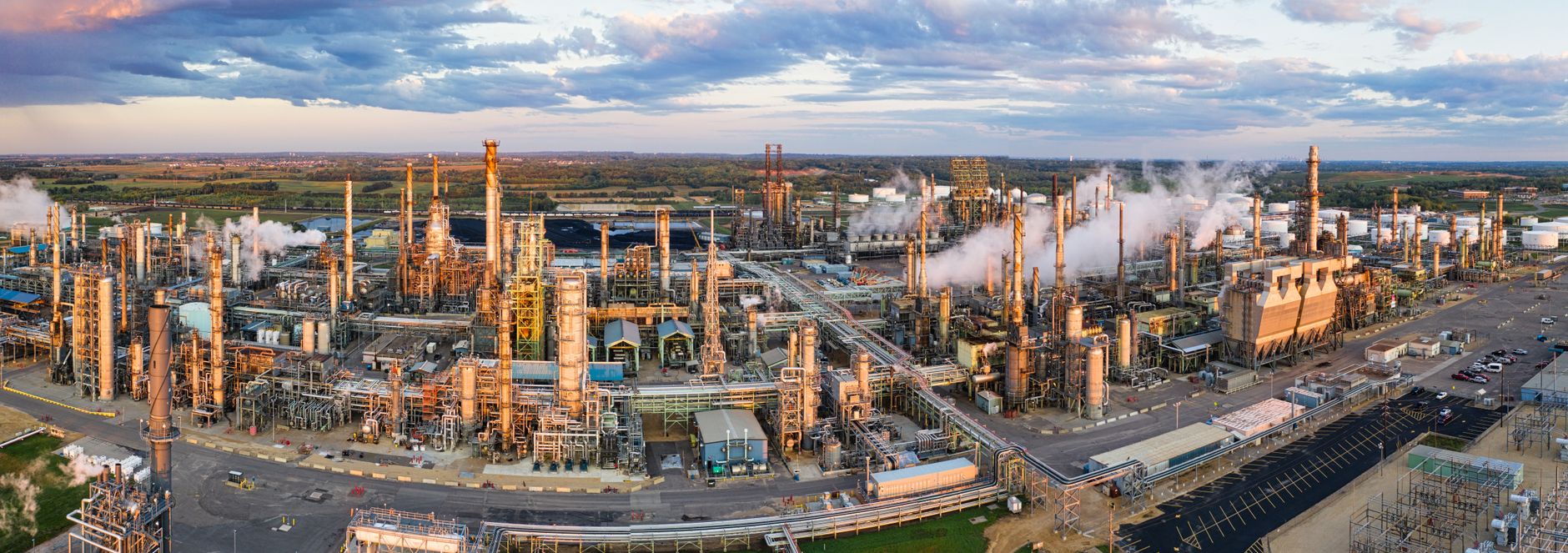
In a dramatic turn of events, crude oil prices have fallen to $75 per barrel, the lowest level seen in over a year. This sharp decline comes on the heels of OPEC’s latest decisions to maintain its production levels despite rising inflation and economic uncertainties globally. For Nigerians already grappling with fuel costs, this could signal a crucial juncture as the nation navigates potential changes at the petrol pump.
OPEC, the Organization of the Petroleum Exporting Countries, convened last week and opted not to cut production, although several member states, including Saudi Arabia and Russia, had hinted at supply adjustments. Instead, OPEC’s Secretary-General, Haitham Al-Ghais, stated, “We remain committed to a stable market, but external factors such as inflation and the looming recession cannot be ignored.” The group’s decision to keep output steady, while oil prices have dipped, reflects a complex interplay of market dynamics that could have far-reaching effects on countries like Nigeria.
The Nigerian National Petroleum Corporation Limited (NNPC) reported last month that the average price of petrol soared to around ₦500 per liter, a figure that many analysts projected would continue to rise should oil prices remain elevated. However, with the latest drop in crude prices, Nigerians may wonder if relief is on the horizon.
Historically, Nigerian petrol prices have closely followed the trajectory of crude oil prices. As a country that relies heavily on crude oil exports, changes in the global market directly impact local fuel prices. The Nigerian government has often stated that the fuel subsidy regime depends on international oil prices. In 2023, following a series of subsidy removals, the Nigerian government had promised to keep petrol prices stable as long as crude remained below $80 per barrel. Now, with current prices below that threshold, there’s renewed speculation about whether the government will honor its promise or take measures to prevent domestic prices from dropping too sharply.
According to experts, the implications of falling crude prices could be twofold. On one hand, consumers may benefit from reduced petrol costs; however, a significant drop in oil revenue could strain the Nigerian economy, which is already dealing with a plethora of challenges, including high inflation rates and foreign exchange instability. Economic analyst Dr. Chike Ugochukwu noted, “If crude prices continue to drop, the government could face a considerable revenue shortfall, affecting public sector salaries and crucial infrastructure projects.”
In comparison, global energy markets are also feeling the pressure. The International Energy Agency (IEA) warned that a potential recession in Europe and the United States could further dampen crude demand. Lately, reports have surfaced suggesting that demand could fall by as much as 2 million barrels per day in the coming months if economic conditions worsen. Tony Ogbuefi, a prominent energy consultant, said, “Nigerian producers must brace for a potential slowdown in demand as global economies tighten their belts, which could impact future investment in the sector.”
The political landscape is not helping either. The Niger Delta region, home to a significant portion of Nigeria’s oil production, has seen a resurgence of protests against oil companies due to environmental concerns. Activists argue that the oil industry has neglected the people and their land, leading to violence and insecurity that disrupts production. The Nigerian government has been urged to address these issues, but with dwindling revenues from oil exports, there is little financial leeway to do so.
Amid these challenges, the Nigerian government is also under pressure to reinstate the fuel subsidy to cushion the impact of rising costs on ordinary Nigerians. Following the subsidy removals earlier in the year, many citizens voiced discontent, claiming that the price hikes have made basic transportation unaffordable. “If the government doesn’t act now, we’ll see even more unrest,” warned civil rights activist Amina Bello.
At the same time, there’s a silver lining in the form of domestic refineries. The Dangote Refinery, which began operations earlier this year, has the potential to revolutionize Nigeria’s fuel supply chain. If the refinery can ramp up production quickly, it may reduce the country’s dependence on imported petrol and further insulate Nigeria from the volatility of global crude prices. Analysts predict that if the refinery achieves its full capacity, it could save the country billions in foreign exchange and stabilize local fuel prices, even when global crude markets are in flux.
As the dust settles from OPEC’s latest decisions and the ripple effects of fluctuating crude prices continue to unfold, Nigerians are left watching closely how these developments will impact their wallets and the broader economy. With petrol prices now linked intricately to international market dynamics, the future remains uncertain, but one thing is clear: the coming weeks will be pivotal for both consumers and policymakers navigating this complex landscape.
💬 Join the Conversation