
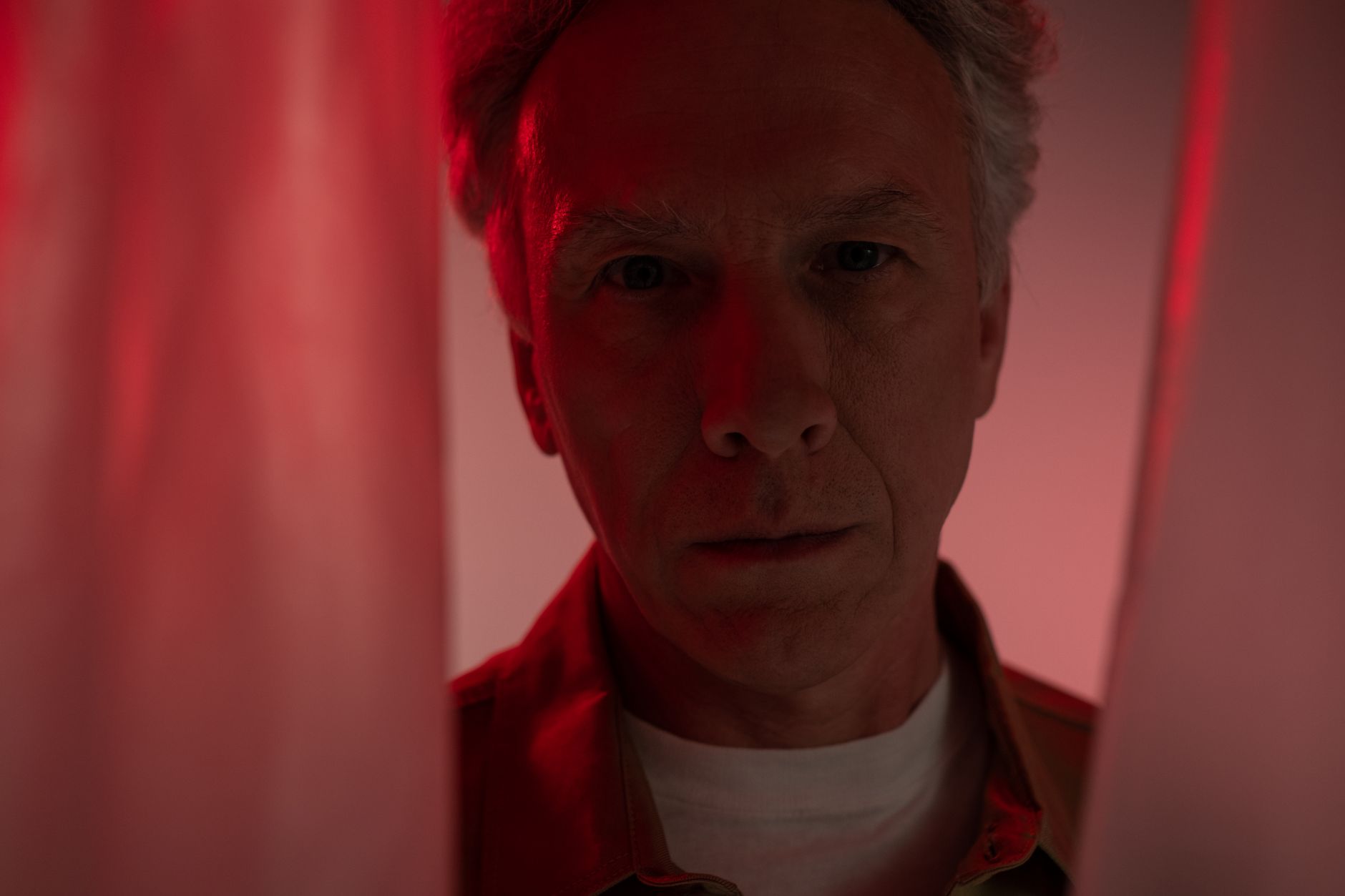
Jon Stewart, the iconic former host of “The Daily Show,” recently returned to the spotlight, this time with a sharp critique of artificial intelligence and its touted potential to create a “better future.” In a segment that aired on October 6, 2026, Stewart didn’t hold back, leveraging his trademark wit to challenge the optimism surrounding AI advancements, arguing instead that these innovations come with significant doubts and ethical concerns.
His appearance was particularly timely given the increasing reliance on AI across various sectors, from healthcare to finance. Stewart kicked off the segment by referencing recent headlines that hailed AI as the harbinger of an era defined by efficiency and progress. He asked a thought-provoking question: “What if this so-called ‘better future’ is just a pretty filter over the same old societal issues?” By framing the dialogue in this way, Stewart resonated with many viewers who remain skeptical about the rapid deployment of AI technologies.
Central to Stewart’s argument was the notion that while AI has the potential to enhance human capabilities, it also poses serious risks, particularly in the realm of job displacement and privacy invasion. He cited a study from earlier this month indicating that up to 40% of jobs in certain industries could be at risk of automation within the next decade. “That’s not just progress; that’s a ticking time bomb,” he quipped, skillfully blending humor with a critical examination of AI’s implications for the workforce. It’s a reality that many are grappling with, as they wonder how they’ll adapt to a world where machines can perform tasks once thought exclusive to human workers.
Stewart also touched on the ethical dimensions of AI, highlighting recent controversies around biased algorithms and the lack of accountability in AI decision-making processes. “We’ve seen time and again how technology amplifies existing prejudices,” he noted, referencing incidents where AI systems misidentified individuals based on race or gender. His concern is palpable: if we blindly trust these systems to govern aspects of our lives, are we risking further entrenchment of inequality?
Perhaps the most significant part of Stewart’s segment came when he discussed the more ominous possibilities of AI, including the surveillance state and mass data collection. He recalled the recent revelations about tech companies manipulating user data for profit. “If we’re not careful, the tools designed to serve us could easily become shackles,” he warned, challenging the audience to think critically about the fine line between innovation and invasion.
Moreover, Stewart posed a provocative idea: the potential for AI to perpetuate a cycle of dependency. “If we allow AI to make every decision for us, what happens to our ability to think critically?” he questioned, driving home the point that human agency could be at risk in this technological age. This sentiment struck a chord with many viewers who recognize that while AI can enhance our lives, it should not replace our inherent human judgment.
As the segment drew to a close, Stewart’s tone shifted slightly. He acknowledged the potential for AI to improve lives—if managed properly. “Progress can be a double-edged sword,” he stated, urging caution as society navigates these uncharted waters. His nuanced perspective invited viewers to consider not just the promises of AI, but the challenges that need to be addressed to realize a truly better future.
Jon Stewart’s return to the conversation around AI feels timely and necessary, especially as the technology continues to evolve at a breakneck pace. His ability to inject humor into serious discussions encourages viewers to engage with complex issues rather than gloss over them. The question remains: can we truly harness AI for good without succumbing to its darker implications? Or are we on the brink of creating a future that, while technologically advanced, is fraught with peril? As we contemplate these questions, one thing is clear: the dialogue around AI must continue.
💬 Join the Conversation